
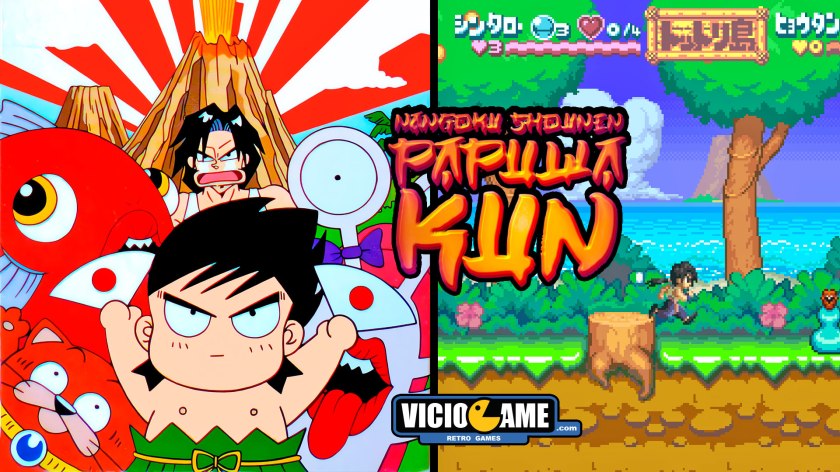
Nangoku Shōnen Papuwa-kun is a platform game released exclusively in Japan. You play as a young hero facing hordes of enemies http://www.viciogame.com while exploring an island full of mysteries and humorous situations. Luckily, you’ll have the support of many friends along the way. The game features beautiful anime-style graphics.
Nangoku Shounen Papuwa-kun: The Ultimate Guide
All aboard for a trip to an island that defies logic, where absurdity is the norm and adventure hides behind every coconut tree! We’re talking about Nangoku Shounen Papuwa-kun, a title for the Super Famicom that perfectly encapsulates the creative eccentricity of Japanese games from the 90s. Released amidst a sea of platforming giants, this game, based on an equally strange manga and anime, managed to carve http://www.viciogame.com out its own niche by blending action, non-sequitur humor, and a dash of RPG elements. If you’re a hunter of hidden gems or simply curious about the most unexplored corners of the SNES library, join us in this deep dive into a treasure that, despite its peculiarities and never having crossed the ocean to the West, offers a genuinely fun and memorable experience.
Nangoku Shounen Papuwa-kun (南国少年パプワくん) arrived on Nintendo‘s Super Famicom and Game Boy simultaneously on March 25, 1994, published by the renowned Enix (now Square Enix). However, it’s crucial to give due credit to the developer Daft, an underrated company that also gifted us other solid titles for the SNES, http://www.viciogame.com such as Super Back to the Future II and Violinist of Hamelin (the latter also published by Enix). Often, Enix receives credit for creating these games, but it was Daft who truly wove the magic behind them. The Super Famicom game, whose original cartridge code is SHVC-N7, puts us in control of Shintaro, while the Game Boy version, titled Nangoku Shounen Papuwa-kun: Gamma Dan no Yabou, stars Papuwa.
The narrative of the SNES game deviates from the source material, presenting an exclusive story. It all begins when a mysterious, gigantic island suddenly appears next to Papuwa Island, just days after the character Kuriko receives a strange statue found at sea by Tanno-kun. Noticing that the inhabitants of Papuwa Island have migrated to this enigmatic new land, our hero, Shintaro – who in the manga is often exploited by the protagonist Papuwa – decides to investigate alone. The initial premise throws us into a tropical http://www.viciogame.com paradise setting, an isolated island floating calmly, but this tranquility is quickly shattered by a chaotic introduction and an attack by bizarre creatures, like a walking bean bag and an umbrella wearing a boot. Shintaro’s goal is to find the statue that seems to be corrupting the inhabitants and prevent an antagonist from claiming it. Although the narrative primarily serves as a vehicle for the game’s absurd humor, it subtly touches upon themes like greed corrupting a peaceful society and humanity’s relationship with nature.
The gameplay of Nangoku Shounen Papuwa-kun is a fusion of side-scrolling platforming with beat ‘em up elements. Shintaro possesses a surprisingly varied range of actions. With the Y button, he throws punches; with B, he jumps. The A button unleashes his limited special attack, the Ganmar砲 (Ganma Hō), a sort of Kamehameha http://www.viciogame.com that functions like a bomb to clear the screen of enemies. The real peculiarity lies in the L and R buttons. Unlike the usual, they aren’t used for running but rather for executing slides (low kicks) or diagonal downward aerial kicks (in the style of Akuma from Street Fighter). Pressing L will always result in a movement to the left, and R to the right, regardless of the direction Shintaro is facing. This requires some adaptation but becomes a useful tool, especially the aerial kick, which allows bouncing off enemies to reach higher platforms.
A striking differentiator is the incorporation of a level-up system. Each defeated enemy grants experience points, and upon accumulating enough, Shintaro levels up. This doesn’t increase his attack power but expands his health bar (which starts with 4 segments), encouraging the player to confront every adversary along the way. To http://www.viciogame.com ease the journey through the game’s 8 worlds (or stages), each divided into multiple areas, there’s a password system. However, a valid criticism is that when resuming the game via password, Shintaro’s level resets to 1, making the restart potentially harder than continuing playing straight through.
Throughout the stages, we find various items: food (with different visuals in each stage, but always recovering health), Mamiya-kun (another healing item), Heart (collecting 4 permanently increases the health bar by one segment), Hiseki (increases the number of uses for the Ganmar砲), and the Shintaro Doll (grants an extra life). The stages themselves are visually pleasing and varied, filled with clichés of the 2D platformer http://www.viciogame.com genre, like moving platforms, elevators, and spikes, but all presented with the game’s unique aesthetic. The fauna of Papuwa Island, the namamono (生物 – “living creatures,” but read as “strange things”), has a strong presence. Some are hilarious enemies, like fish with legs or leek-wielding ducks, while others are unexpected allies. Nakai-kun, the electric eel, can be ridden to attack enemies, and Shimizu-kun functions as a trampoline. This cooperation with certain animals contrasts with the need to defeat others to gain experience, creating a slight thematic tension regarding Shintaro’s relationship with the island’s nature.
Common enemies generally don’t pose much of a challenge, but the bosses and mid-bosses are another story. Many are members of the Gamma Dan (ガンマ団), the villainous organization from the manga, and present a considerable challenge, especially those in the final stages. The dialogues before and after battles against them add a touch of humor and mystery, gradually revealing the plot behind the mysterious island. Some bosses require specific strategies: the third stage boss, for example, must be attacked http://www.viciogame.com from behind after jumping over his fire wave. A particularly annoying mid-boss in stages 6 or 7 requires the player to hit his round projectiles back at him. The final boss, a giant octopus, is notoriously frustrating, demanding precise use of the diagonal aerial kick (L/R buttons in the air) to jump over rocks and hit a bandage on its head, repeating the process until defeated. The game’s overall difficulty has an increasing curve, starting easy and becoming more challenging, culminating in this final confrontation that may require patience and the use of save states for emulator players.
Graphically, Nangoku Shounen Papuwa-kun is competent. The art direction is strong, with characters and environments overflowing with the calculated strangeness of the source material. The use of soft shapes and a color palette focused on greens, blues, and browns reinforces the tropical setting, even if constantly subverted by the comedic chaos. The sound follows this line, with a bombastic soundtrack and eccentric instrumentation complementing the game’s tone. A technical criticism pointed out by some players http://www.viciogame.com is the vertical screen scrolling, which can feel a bit slow or delayed compared to the horizontal scroll, making it difficult to see enemies attacking from the top of the screen, where the interface (health bar, Ganmar砲 counter, level) is located. Other complaints include the absence of a Pause button, the lack of voice acting (despite being based on an anime), and the appearance of some confusing characters and dialogues for those unfamiliar with the manga, such as the sphere siblings in stages 6 and 7, and a final boss that appears abruptly without much connection to the established plot or the source material.
Despite the criticisms – short stages, somewhat generic platforming mechanics beneath the layer of weirdness, narrative inconsistencies, and the frustration of the password system – Nangoku Shounen Papuwa-kun stands as a solid and fun action/platformer game. Its controls are responsive, the variety of actions is good, and the feeling of overcoming challenges, especially after deciphering enemy patterns, is rewarding. The level-up system adds a unique flavor, differentiating it from many other platformers http://www.viciogame.com of the 16-bit era. The replay factor might be limited by linearity and the lack of complex secrets or multiple endings, but the main experience is captivating enough to warrant a playthrough. Besides the SNES and Game Boy versions, the game was also later ported to Japanese mobile phones.
In summary, Nangoku Shounen Papuwa-kun is a testament to Enix‘s golden era as a publisher and Daft‘s talent as a developer. It’s a game that embraces its strangeness without remorse, offering a competent platforming adventure adorned with peculiar Japanese humor and an interesting progression system. Although it’s http://www.viciogame.com not a revolutionary masterpiece and has its flaws, it manages to stand out in the vast crowd of Super Famicom games. If you’re looking for a different, charming platforming experience that will likely put a smile on your face with its oddities, giving this forgotten tropical adventure a chance might be a great idea. It’s one of those games that, once discovered, tend to be fondly remembered for their unique personality.
Nangoku Shounen Papuwa-kun: O Guia Definitivo
Todos a bordo para uma viagem a uma ilha que desafia a lógica, onde o absurdo é a norma e a aventura se esconde atrás de cada coqueiro! Estamos falando de Nangoku Shounen Papuwa-kun, um título para o Super Famicom que encapsula perfeitamente a excentricidade criativa dos jogos japoneses dos anos 90. Lançado http://www.viciogame.com em um mar de gigantes do gênero de plataforma, este jogo, baseado em um mangá e anime igualmente estranhos, conseguiu criar seu próprio nicho, misturando ação, humor nonsense e uma pitada de elementos de RPG. Se você é um caçador de jogos obscuros ou simplesmente curioso sobre os cantos mais inexplorados da biblioteca do SNES, embarque conosco nesta análise profunda de uma preciosidade que, apesar de suas peculiaridades e de nunca ter cruzado o oceano para o ocidente, oferece uma experiência genuinamente divertida e memorável.
Nangoku Shounen Papuwa-kun (南国少年パプワくん) chegou ao Super Famicom e ao Game Boy da Nintendo simultaneamente em 25 de março de 1994, publicado pela renomada Enix (hoje Square Enix). No entanto, é crucial dar o devido crédito à desenvolvedora Daft, uma empresa subestimada que também nos presenteou com outros títulos sólidos para o SNES, como Super Back to the Future II e Violinist of Hamelin http://www.viciogame.com (este último também publicado pela Enix). Muitas vezes, a Enix recebe o crédito pela criação desses jogos, mas foi a Daft quem realmente teceu a magia por trás deles. O jogo do Super Famicom, cujo código de cartucho original é SHVC-N7, nos coloca no controle de Shintaro, enquanto a versão para Game Boy, intitulada Nangoku Shounen Papuwa-kun: Gamma Dan no Yabou, tem Papuwa como protagonista.
A narrativa do jogo para SNES se desvia do material original, apresentando uma história exclusiva. Tudo começa quando uma misteriosa e gigantesca ilha surge subitamente ao lado da Ilha Papuwa, poucos dias após a personagem Kuriko receber uma estranha estátua encontrada no mar por Tanno-kun. Percebendo que os habitantes da Ilha Papuwa migraram para essa nova terra enigmática, nosso herói, Shintaro – que no mangá é frequentemente explorado pelo protagonista Papuwa – decide investigar sozinho. http://www.viciogame.com A premissa inicial nos joga em um cenário de paraíso tropical, uma ilha isolada flutuando calmamente, mas essa tranquilidade é rapidamente quebrada por uma introdução caótica e um ataque de criaturas bizarras, como um saco de feijão ambulante e um guarda-chuva calçando uma bota. O objetivo de Shintaro é encontrar a estátua que parece estar corrompendo os habitantes e impedir que um antagonista a reivindique. Embora a narrativa sirva principalmente como veículo para o humor absurdo do jogo, ela toca sutilmente em temas como a ganância corrompendo uma sociedade pacífica e a relação do homem com a natureza.
A jogabilidade de Nangoku Shounen Papuwa-kun é uma fusão de plataforma side-scrolling com elementos de beat ‘em up. Shintaro possui um leque de ações surpreendentemente variado. Com o botão Y, ele desfere socos; com o B, ele salta. O botão A libera seu ataque especial limitado, o Ganmar砲 (Ganma Hō), uma espécie de Kamehameha que funciona como uma bomba para limpar a tela de inimigos. A verdadeira peculiaridade http://www.viciogame.com reside nos botões L e R. Diferente do usual, eles não servem para correr, mas sim para executar deslizes (rasteiras) ou chutes aéreos diagonais para baixo (no estilo Akuma de Street Fighter). Pressionar L sempre resultará em um movimento para a esquerda, e R para a direita, independentemente da direção para a qual Shintaro está virado. Isso exige um pouco de adaptação, mas se torna uma ferramenta útil, especialmente o chute aéreo, que permite quicar sobre inimigos para alcançar plataformas mais altas.
Um diferencial marcante é a incorporação de um sistema de level-up. Cada inimigo derrotado concede pontos de experiência, e ao acumular o suficiente, Shintaro sobe de nível. Isso não aumenta seu poder de ataque, mas expande sua barra de vida (que começa com 4 segmentos), incentivando o jogador a enfrentar todos os http://www.viciogame.com adversários pelo caminho. Para facilitar a jornada através dos 8 mundos (ou fases) do jogo, cada um dividido em múltiplas áreas, existe um sistema de password. No entanto, uma crítica válida é que, ao retomar o jogo via password, o nível de Shintaro volta para 1, tornando o recomeço potencialmente mais difícil do que continuar jogando direto.
Ao longo das fases, encontramos diversos itens: food (comida, com visuais diferentes em cada fase, mas sempre recuperando vida), Mamiya-kun (outro item de cura), Heart (coletar 4 aumenta permanentemente a barra de vida em um segmento), Hiseki (aumenta o número de usos do Ganmar砲) e a Shintaro Doll (concede uma vida extra). As fases em si são visualmente agradáveis e variadas, repletas de clichês do gênero plataforma 2D, como plataformas móveis, elevadores e espinhos, mas tudo apresentado com a estética http://www.viciogame.com única do jogo. A fauna da Ilha Papuwa, os namamono (生物 – “criaturas vivas”, mas lido como “coisas estranhas”), marca presença forte. Alguns são inimigos hilários, como peixes com pernas ou patos empunhando alho-poró, enquanto outros são aliados inesperados. Nakai-kun, a enguia elétrica, pode ser montado para atacar inimigos, e Shimizu-kun funciona como um trampolim. Essa cooperação com certos animais contrasta com a necessidade de derrotar outros para ganhar experiência, criando uma leve tensão temática sobre a relação de Shintaro com a natureza da ilha.
Os inimigos comuns geralmente não oferecem grande desafio, mas os chefes e mid-bosses são outra história. Muitos são membros da Gamma Dan (ガンマ団), organização vilã do mangá, e apresentam um desafio considerável, especialmente os das fases finais. Os diálogos antes e depois das batalhas contra eles adicionam um toque de humor e mistério, revelando aos poucos a trama por trás da ilha misteriosa. Alguns http://www.viciogame.com chefes exigem estratégias específicas: o chefe da terceira fase, por exemplo, deve ser atacado pelas costas após saltar sobre sua onda de fogo. Um mid-boss particularmente irritante nas fases 6 ou 7 requer que o jogador rebata seus projéteis redondos de volta para ele. O chefe final, um polvo gigante, é notoriamente frustrante, exigindo o uso preciso do chute aéreo diagonal (botões L/R no ar) para pular sobre pedras e atingir um curativo em sua cabeça, repetindo o processo até derrotá-lo. A dificuldade geral do jogo tem uma curva crescente, começando fácil e tornando-se mais desafiadora, culminando neste último confronto que pode exigir paciência e o uso de save states para os jogadores de emuladores.
Graficamente, Nangoku Shounen Papuwa-kun é competente. A direção de arte é forte, com personagens e cenários que transbordam a estranheza calculada do material original. O uso de formas suaves e uma paleta de cores focada em verdes, azuis e marrons reforça a ambientação tropical, mesmo que constantemente subvertida pelo caos cômico. O som acompanha essa linha, com uma trilha sonora bombástica e instrumentação excêntrica que complementa o tom do jogo. Uma crítica técnica apontada por alguns jogadores é a rolagem vertical da tela (scroll), que pode parecer um pouco lenta ou atrasada http://www.viciogame.com em comparação com a horizontal, dificultando a visualização de inimigos que atacam do topo da tela, onde a interface (barra de vida, contador de Ganmar砲, nível) está localizada. Outras queixas incluem a ausência de um botão de Pause, a falta de dublagem (apesar de ser baseado em um anime) e a aparição de alguns personagens e diálogos confusos para quem não conhece o mangá, como os irmãos esfera nas fases 6 e 7, e um chefe final que surge abruptamente sem muita conexão com a trama estabelecida ou com o material original.
Apesar das críticas – fases curtas, mecânicas de plataforma um tanto genéricas por baixo da camada de bizarrice, inconsistências narrativas e a frustração do sistema de password –, Nangoku Shounen Papuwa-kun se sustenta como um jogo de ação/plataforma sólido e divertido. Seus controles são responsivos, a http://www.viciogame.com variedade de ações é boa e a sensação de superar os desafios, especialmente após decifrar os padrões dos inimigos, é gratificante. O sistema de level-up adiciona um sabor único, diferenciando-o de muitos outros plataforma da era 16-bits. O fator replay pode ser limitado pela linearidade e pela falta de segredos complexos ou finais múltiplos, mas a experiência principal é cativante o suficiente para justificar uma jogada. Além das versões SNES e Game Boy, o jogo também foi portado para celulares japoneses posteriormente.
Em suma, Nangoku Shounen Papuwa-kun é um testemunho da era de ouro da Enix como publicadora e do talento da Daft como desenvolvedora. É um jogo que abraça sua estranheza sem remorso, oferecendo uma aventura de plataforma competente adornada com um humor japonês peculiar e um sistema de progressão http://www.viciogame.com interessante. Embora não seja uma obra-prima revolucionária e possua suas falhas, ele consegue se destacar na vasta multidão de jogos do Super Famicom. Se você busca uma experiência de plataforma diferente, charmosa e que provavelmente colocará um sorriso em seu rosto com suas bizarrices, dar uma chance a esta aventura tropical esquecida pode ser uma ótima pedida. É um daqueles jogos que, uma vez descobertos, tendem a ser lembrados com carinho por sua personalidade única.
🤑💲Earn money without doing anything! Just leave these apps open:
   ✓ https://r.honeygain.me/CONTA9DB02

   ✓ https://packetstream.io/?psr=1uPb
🤑💲1-Click button earns Bitcoin every 1 hour: https://freebitco.in/?r=53528449
⬛ 𝗧𝗶𝗸𝗧𝗼𝗸: https://www.tiktok.com/@viciogame
🟧 𝗜𝗻𝘀𝘁𝗮𝗴𝗿𝗮𝗺: http://www.instagram.com/viciogame
🟥 𝗬𝗼𝘂𝘁𝘂𝗯𝗲: http://www.youtube.com/viciogame
🟦 𝗙𝗮𝗰𝗲𝗯𝗼𝗼𝗸: http://www.facebook.com/viciogame
🔳 𝗧𝗵𝗿𝗲𝗮𝗱𝘀: https://www.threads.net/@viciogame
🟪 𝗧𝘄𝗶𝘁𝗰𝗵: https://www.twitch.tv/ViciogameRetroGames
🟨 𝗕𝗹𝗼𝗴: http://www.viciogameblog.com/
🟦𝗧𝘄𝗶𝘁𝘁𝗲𝗿: http://www.twitter.com/viciogame
#Viciogame #Gameplay #LetsPlay #Gamer #Playthrough #Games #News #Videogames #Review #Game #Detonado #Walkthrough #Ending #Reviews #Facts #Retro #Record #Roms #Emulator #Longplay #Speedrun #NangokuShonenPapuwaKun #SNES #Enix #SuperNes #Papuwa #SuperNintendo #Papuwakun #SuperFamicom #Nangoku #Shonen #Nintendo #AmiShibata #Anime #Manga #柴田亜美 #南国少年パプワくん #南国少年 #パプワくん #スーパーファミコン #任天堂
 VICIOGAME