
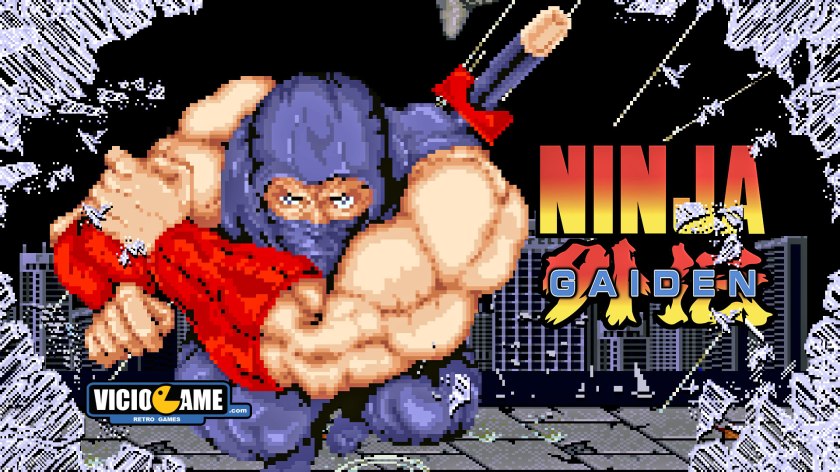
Ninja Gaiden is a beat ‘em up game where the hero’s mission is to defeat an evil cult led by a descendant of Nostradamus. Seeking to fulfill prophecies about the end of the world, criminals are recruited and freed from prisons to spread chaos. http://www.viciogame.com After the president is kidnapped, the United States calls upon the Japanese ninja to find the cult leader and put an end to his diabolical plan.
Ninja Gaiden: The Ultimate Guide
In the late 1980s, arcade games were at their peak, and the side-scrolling beat ‘em up genre was on the rise. Amidst this vibrant scene, a title emerged to leave its mark, though often overshadowed by its acclaimed trilogy on the Nintendo Entertainment System: the arcade version of Ninja Gaiden. This game, released by Tecmo, not only predated its console counterparts but also laid the groundwork for the enduring saga. Launched in North America and Europe in late 1988 and in http://www.viciogame.com Japan in February 1989, the game appeared under different names in each region: Ninja Ryūkenden in Japan and Shadow Warriors in Europe.
Tecmo‘s decision to simultaneously release two fundamentally different versions of Ninja Gaiden for arcade and NES demonstrates an ambitious strategy from the franchise’s inception. While the arcade version offered a traditional beat ‘em up experience, the home console version presented a distinct action-platformer style. This approach may have been driven by a desire to capitalize on the growing popularity of ninjas in Western http://www.viciogame.com culture, a phenomenon that Tecmo‘s president recognized, as mentioned by the director of the NES version. The division into genres reflects the different expectations and characteristics of each gaming platform at the time. Arcades generally favored fast-paced, intense action games to maximize returns on the machines, while home consoles allowed for deeper narratives and more intricate level design.
The variation in regional titles for the original arcade game also points to the cultural considerations and marketing strategies employed in different parts of the world. The choice of Shadow Warriors for the European http://www.viciogame.com release, due to a taboo on the word “ninja” at the time illustrates a localized adaptation to avoid potential negative connotations or unfamiliarity with the ninja concept in certain regions.
Unraveling a Tale of Revenge (and Cults?)
The core premise of the arcade version of Ninja Gaiden revolves around Ryu Hayabusa’s journey to America to avenge his father’s death. However, information gleaned from other sources reveals a more complex plot, set in a retro-futuristic near-future of 1999. In this setting, Ryu is hired by the United States government with the mission to defeat http://www.viciogame.com an evil cult led by Bladedamus, a descendant of Nostradamus. Bladedamus’s objectives include fulfilling doomsday prophecies by flooding the streets with criminals released from Alcatraz, kidnapping the President, and acquiring codes to launch intercontinental ballistic missiles.
The discrepancy between the narrative solely focused on personal revenge, presented in the original text, and the larger-scale cult conspiracy suggests that the game itself may have prioritized immediate action over extensive narrative exposition. The additional plot details involving the cult and the government http://www.viciogame.com mission may have been provided through supplementary materials, such as the storyboards or in promotional materials of the time. The retro-futuristic setting of 1999 is an intriguing element that blends the anxieties of the 1980s with futuristic themes, a common trope in science fiction of that era. This stylistic choice reflects a cultural fascination with the near future, often depicted with advanced technology and heightened social tensions.
Ryu’s journey takes him through various American cities and iconic landmarks, starting with Alcatraz and progressing through locations such as Los http://www.viciogame.com Angeles, New York City, Las Vegas, North Carolina, and the Grand Canyon, culminating in a final confrontation at the enemy’s hideout. This American setting, contrasting with the protagonist’s Japanese origin, is a notable characteristic of the game.
Deconstructing the Gameplay of Ninja Gaiden Arcade
The essence of the arcade version of Ninja Gaiden lies in its fast-paced side-scrolling beat ‘em up gameplay, where players control Ryu Hayabusa as he battles hordes of enemies across diverse environments. The controls are relatively straightforward, consisting of an eight-way joystick and three action buttons. Ryu’s move http://www.viciogame.com set includes basic attacks like punches and kicks, as well as the ability to jump and, uniquely, to grab onto overhead bars to execute acrobatic attacks. Among the basic moves are the “Triple Blow Combination” and the “Flying Neck Throw”.
A distinctive aspect of the gameplay is the interaction with the environment. Players can destroy certain objects, such as telephone booths and dumpsters, by throwing or knocking enemies into them. This destruction reveals hidden items that grant score bonuses, health recovery, time extensions, and even extra lives. A particularly valuable http://www.viciogame.com item is the sword, a temporary power-up that grants Ryu powerful attacks capable of taking down all but the heaviest opponents with a single strike, dealing the same damage as a three-hit combo. However, the sword can only be used for a limited time, requiring players to utilize it strategically.
The game also offers a two-player simultaneous cooperative mode, where the first player controls a ninja clad in blue and the second in orange. This multiplayer option was a key feature of the arcade experience, allowing http://www.viciogame.com friends to tackle the game’s challenges together. In addition to basic attacks, Ryu possesses more advanced techniques, such as the “Hang Kick” executed by attacking enemies while hanging from bars. Other advanced moves include the Guillotine Throw, the High Jump, and the Bird Flip.
The emphasis on environmental destruction for obtaining power-ups adds a strategic layer to the gameplay, encouraging players to explore and utilize their surroundings for advantages. The sword power-up, while potent, demands strategic use due to http://www.viciogame.com its temporary nature, introducing an element of risk and reward. The comparison to other games in the genre, such as Bad Dudes vs. Dragon Ninja and Double Dragon, as mentioned, situates Ninja Gaiden within the context of its contemporaries, suggesting similarities in core mechanics but also differences in execution, such as Ninja Gaiden‘s notoriously high difficulty. The game, in fact, drew inspiration from Double Dragon, adopting the side-scrolling beat ‘em up style but adding platforming challenges and increasing the difficulty.
Technical Foundations
The arcade version of Ninja Gaiden operated on a ColorRaster video system with a landscape screen orientation. The sound was mono, and the machine supported up to two simultaneous players, offering a co-op mode. The http://www.viciogame.com control interface followed the JAMMA standard, consisting of a digital joystick and three action buttons. The use of the JAMMA standard meant the game was designed for broad compatibility with arcade cabinets of the era, facilitating adoption by arcade operators.
The mono sound and three-button control scheme, while standard for the time, highlight the simplicity of input and output compared to modern gaming systems, emphasizing the focus on core gameplay mechanics. In contrast, the system requirements http://www.viciogame.com for modern re-releases for PC, such as the Master Collection and Ninja Gaiden II Black, demonstrate the immense technological advancements that have occurred over the past decades. The comparison between the original arcade specifications and modern requirements illustrates the exponential growth in processing power, graphics capabilities, and storage capacity in the gaming industry.
The Development and Release of a Coin-Op Classic
The arcade version of Ninja Gaiden was developed and published by Tecmo. The development team included key figures such as H. Iijima, also known as Strong Shima, who played crucial roles as director and screenplay writer. Happy Fuku-dai Ichiro served as the main programmer, with EXP Ebi as the sub-programmer. The background http://www.viciogame.com art was the responsibility of Yamashimizu Akira, Freedom, and H. Iijima, while the enemy design was handled by Norge Miyahiroshi and H. Iijima. The memorable music was composed by Mikio Saitou (Metal Yuhki), Ichiro Nakagawa (Putaro), Ryuichi Nitta (Kajiya Shitamachi), and Tamotsu Ebisawa (Angirus). The arcade game designer is credited as “Strong Shima,” whom Masato Kato, who worked on the NES version, identified as “Mr. Iijima”.
It is important to note that the arcade version of Ninja Gaiden was produced and released almost simultaneously with its home console counterpart on the Nintendo Entertainment System, although they were different games with only a few similarities. This simultaneous development of two fundamentally different games with the same title for distinct platforms demonstrates Tecmo‘s ambitious approach to the http://www.viciogame.com franchise from its very beginning, aiming to cater to both the arcade and home console markets. The different visions for the arcade (brawler) and NES (action-platformer) versions, explained in some sources, reflect the distinct characteristics and expectations associated with these gaming formats in the late 1980s. Arcades favored immediate, action-packed experiences for quick player turnover, while home consoles allowed for more intricate level design and narrative development.
The game was released in North America and Europe in late 1988 and in Japan in February 1989.
Navigating Regional Differences
As previously mentioned, the arcade version of Ninja Gaiden was released under different titles in different regions. In Europe, due to a taboo surrounding the word “ninja,” the game was initially released as Shadow Warriors, while in http://www.viciogame.com Japan it was known as Ninja Ryukenden. The Japanese version featured several enhancements compared to the US and European releases. This included a new and longer intro animation, as well as a digitized voice that shouted the game’s title after the animation, a feature absent in the other versions.
While most of the background music was the same, the Japanese version contained minor additions to some tunes. Specifically, the Stage 4 background music was replaced with another tune composed by Mikio Saito, resembling in some http://www.viciogame.com parts Bach’s “Toccata and Fugue in D Minor“, whereas the overseas version used a theme composed by Ryuichi Nitta. Additionally, a digitized voice shouted the game’s title on the “stage clear” screen after each stage in the Japanese version. Two “Dosukoi!” voice samples from the Stage 1 boss were added towards the end of the Game Over jingle in the Japanese version.
In terms of difficulty, in the Japanese version, every enemy in the final stage caused normal damage (a three-hit combo took one life square). In contrast, in the US version, standard enemies and mid-bosses took off one or two life squares with a single hit, and the final boss(es) could kill the player character with just one http://www.viciogame.com attack. These alterations made to the Japanese version, such as the longer intro and added voiceovers, suggest an attempt to create a more immersive and dramatic experience for the domestic audience. The difference in damage dealt in the final stage between the Japanese and US versions points to a deliberate adjustment of difficulty levels for different markets, possibly reflecting the perceived skill of players or the expectations for arcade gameplay in those regions. The American market was often associated with a preference for higher difficulty to encourage more coin insertions.
Later re-releases, such as those for the Nintendo Wii (Virtual Console) and PlayStation 4/Nintendo Switch (Arcade Archives), under the Ninja Gaiden title, sought to replicate the original arcade experience, although some changes http://www.viciogame.com have been noted, such as the omission of certain boss music and the removal of specific imagery. The later removal of boss themes and the editing of imagery in re-releases highlight the ongoing challenges of preserving original arcade experiences while navigating modern sensibilities and potential legal issues (in the case of musical similarities).
Regional differences found in the arcade version of Ninja Gaiden:
| Feature | US/Europe Version | Japanese Version |
|---|---|---|
| Title | Ninja Gaiden (US), Shadow Warriors (Europe) | Ninja Ryukenden |
| Intro Animation | Shorter | Longer, with new animation after the original intro |
| Title Voice | Absent | Digitized voice shouts the game’s title after the intro animation |
| Stage 4 Music | Original theme by Ryuichi Nitta | New theme by Mikio Saito, resembling Bach’s “Toccata and Fugue in D Minor“ |
| Stage Clear Voice | Absent | Digitized voice shouts the game’s title after each stage |
| Game Over Jingle | Standard | Two “Dosukoi!” voice samples from the Stage 1 boss added at the end |
| Damage in Final Stage | Standard enemies and mid-bosses deal 1-2 damage with 1 hit; final boss kills with 1 hit | Enemies deal normal damage (3 hits take 1 life) |
Examining the Arcade’s Reception and Initial Impact
The arcade version of Ninja Gaiden was well-received by audiences at the time, especially for its fast-paced and challenging action. The game achieved significant commercial success in North America, becoming the highest-grossing arcade http://www.viciogame.com conversion kit of 1989 in the United States. In Japan, it also performed strongly, being listed by Game Machine as the second most-successful table arcade unit of the month in March 1989. This commercial success in both markets demonstrates the game’s broad appeal and its ability to resonate with different player bases, despite regional variations.
Critical reception, while generally positive, reveals a nuanced perspective. Nick Kelly of Commodore User called it “the next generation for Double Dragon fans“, praising the controls, background variety, and two-player mode, though criticizing the “slightly washed-out” graphics and “gory” continue screen. Computer and Video Games considered it a “slick beat ‘em up” similar to Bad Dudes vs. Dragon Ninja (1988), http://www.viciogame.com with “smooth” graphics and “masses of action“, being “great fun” in two-player mode despite a lack of originality. These critical comments, while mostly favorable, provide a more balanced view, with praise for gameplay and action but some reservations about the graphics (in one review) and originality (in another). This suggests that the game was a solid entry in the genre but may not have been considered groundbreaking by all critics of the time.
Tracing the Legacy and Influence of Ninja Gaiden
While the arcade version of Ninja Gaiden may not be the most remembered installment in the franchise, it played a significant role in its history, introducing the world and character of Ryu Hayabusa to a wider audience. The game also helped pave the way for the success of the NES trilogy and influenced other games in the http://www.viciogame.com side-scrolling beat ‘em up genre. Despite their differences, the arcade version carried over certain aspects to the NES trilogy, such as the adaptation of the first stage, the similarity of the opening scene, and enemy designs. It also introduced core elements of the series, such as cinematic cutscenes (though more prominently in the NES version), the Boomerang Shuriken, and the magical techniques called Ninja Arts.
The fact that the arcade game was included as a hidden bonus in a later, acclaimed title in the franchise, Ninja Gaiden Black for the Xbox, underscores its historical importance and its recognition by the developers as a foundational http://www.viciogame.com title. Modern re-releases through platforms like the Virtual Console and Arcade Archives indicate a continued demand from players to experience classic arcade titles, allowing new generations to discover the roots of the Ninja Gaiden series.
A Look at Ports and Modern Re-releases
Following its success in arcades, Ninja Gaiden found its way to various other platforms. In 1990, the game was released for DOS and several European home computers, including Amiga, Atari ST, Commodore 64, ZX Spectrum, and Amstrad CPC. On the Lynx, the version was released in 1991 under the title Shadow Warriors, featuring http://www.viciogame.com interactive scenic backdrops. The wide range of ports to home computers in 1990 reflects the diverse gaming landscape of the time, with different hardware capabilities leading to variations in the quality and features of the ported versions. The Amiga version retained almost all the graphics and functionality of the original game, including the two-player cooperative gameplay.
The Atari Lynx version, with its focus on interactive environments, suggests an attempt to leverage the unique capabilities of the handheld, showcasing how ports could sometimes introduce new elements or emphasize specific http://www.viciogame.com hardware features. The mixed critical reception of the home computer ports indicates the challenges of translating an arcade experience to different hardware and the evolving tastes of home console players.
More recent re-releases have sought to replicate the original arcade experience. The arcade version of Ninja Gaiden was included as a hidden bonus game in Ninja Gaiden Black for the Xbox in 2005. It was subsequently ported to the http://www.viciogame.com Nintendo Wii as a downloadable Virtual Console Arcade game, released in Japan on July 28, 2009, in PAL regions on November 13, and in North America on December 21. On May 9, 2019, the game was ported as part of the Arcade Archives series for the PlayStation 4 and Nintendo Switch.
Secrets, Strategies, and the Quest for High Scores
The arcade version of Ninja Gaiden is notorious for its high level of difficulty, a characteristic recognized both at the time of its release and retrospectively. Players frequently encounter the continue screen, which depicts the protagonist tied down as a buzzsaw approaches, an iconic image of the game’s unforgiving challenge. Despite the difficulty, the game contains several secrets and tips that can aid players in their http://www.viciogame.com journey. Destroying specific environmental objects can reveal health-restoring items or the powerful katana. Learning enemy attack patterns and utilizing the two-plane system to isolate foes are crucial strategies for survival. Mastering the mechanics of grabbing and throwing enemies into others or into the destructible environment is key to dealing extra damage and obtaining power-ups.
The game features advanced moves that can give players an edge. The three-hit combo is the standard attack, but techniques like the Guillotine Throw (performed by jumping towards an enemy and attacking before reaching them), the High Jump, and the Bird Flip (running towards a wall or object and jumping) add depth to the http://www.viciogame.com combat. Hanging from ledges and using the ledge kick are also effective tactics against certain enemies. Regarding enemies, general strategies include luring them to one side and attempting to hit them with the three-hit combo, especially enemies wielding dual batons. The Guillotine Throw is particularly useful in one-on-one situations or when few enemies remain with space.
Power-ups are crucial for survival and are found by breaking objects scattered throughout the stages, either by throwing or knocking enemies into them, or by being knocked into them yourself. The power-ups include the Clock (adds 20 http://www.viciogame.com seconds to the stage timer), the Sword (grants a sword for 10 in-game seconds, taking down all enemies with one hit), Blue and White Pills (restore one health point), Red and White Pills (restore two health points), Red Diamond (100 points), Red Hexagon (300 points), and Miniature Ninja (extra life).
The high difficulty, coupled with the memorable and somewhat macabre continue screen, likely contributed to the game’s notoriety and created http://www.viciogame.com a sense of accomplishment for players who managed to overcome its challenges. The inclusion of advanced moves and strategic approaches to enemies indicates a level of gameplay depth beyond simple button-mashing, rewarding skilled players who mastered the game’s mechanics.
Cultural Context and Influences in Ninja Gaiden Arcade
The game’s setting in American urban environments and the presence of distinctively designed enemies, such as the hockey-masked thugs, suggest an influence from 1980s Western pop culture. The ninja theme itself, while traditionally Japanese, was reinterpreted and popularized in the West during this decade, which certainly http://www.viciogame.com contributed to the choice of setting and visual elements in the game. During the development of the NES version of Ninja Gaiden, the development team referenced American ninja imagery found in foreign magazines, including depictions of ninjas using nunchaku, kung-fu, and magic, elements that influenced the portrayal of ninjas in the game.
The direct inspiration from Double Dragon firmly situates Ninja Gaiden within the popular beat ‘em up genre of the time, indicating a desire to capitalize on the success of established titles while adding its own unique flair and challenge. The http://www.viciogame.com retro-futuristic setting of 1999 can also be seen as a reflection of the era’s fascination with the near future. The game’s placement in American urban settings, along with enemy designs reminiscent of Western pop culture, suggests an attempt to appeal to a Western audience by incorporating familiar and contemporary elements into the traditionally Japanese ninja theme.
Conclusion
The arcade version of Ninja Gaiden, released in 1988, stands as a significant milestone in the franchise, introducing the world and character of Ryu Hayabusa to audiences. Its narrative, while concise, served as the driving force behind the http://www.viciogame.com relentless action, leading Ryu on a quest for vengeance across America, later revealed to be tied to a retro-futuristic cult conspiracy. The gameplay, characteristic of the beat ‘em up genre, combined with the unique ability to grab onto bars and destroy the environment for power-ups, offered a frantic and challenging experience.
Initial reception was positive, with praise for its fast-paced and challenging action, and the game achieved significant commercial success in both the American and Japanese markets. While it may be overshadowed by the acclaim of the NES http://www.viciogame.com trilogy, the legacy of the arcade version endures, having been included in modern re-releases, attesting to its historical value. Its notorious difficulty and the memorable continue screen have contributed to its lasting reputation among retro gaming enthusiasts. Ultimately, Ninja Gaiden arcade remains a challenging legend that captured the imagination of a generation of gamers and helped shape the future of the franchise.
Ninja Gaiden: O Guia Definitivo
No final da década de 1980, os jogos de arcade viviam um período de grande popularidade, e o gênero de pancadaria lateral, ou beat ‘em up, estava em ascensão. Em meio a esse cenário vibrante, um título emergiu para deixar sua marca, embora muitas vezes ofuscado pela sua aclamada trilogia no Nintendo Entertainment System: a versão arcade de Ninja Gaiden. Este jogo, lançado pela Tecmo, não apenas precedeu http://www.viciogame.com suas contrapartes de console, mas também estabeleceu as bases para a duradoura saga. Lançado na América do Norte e Europa no final de 1988 e no Japão em fevereiro de 1989, o jogo surgiu sob diferentes nomes em cada região: Ninja Ryūkenden no Japão e Shadow Warriors na Europa.
A decisão da Tecmo de lançar simultaneamente duas versões fundamentalmente diferentes de Ninja Gaiden para arcade e NES demonstra uma estratégia ambiciosa desde o início da franquia. Enquanto a versão arcade oferecia uma experiência de pancadaria tradicional, a versão para console doméstico apresentava um estilo de plataforma de ação distinto. Essa abordagem pode ter sido motivada pelo desejo de capitalizar a http://www.viciogame.com crescente popularidade dos ninjas na cultura ocidental, um fenômeno que o presidente da Tecmo reconheceu, conforme mencionado pelo diretor da versão NES. A divisão nos gêneros reflete as diferentes expectativas e características de cada plataforma de jogos na época. Os fliperamas geralmente favoreciam jogos de ação rápida e intensa para maximizar o retorno sobre o investimento das máquinas, enquanto os consoles domésticos permitiam narrativas mais profundas e design de níveis mais intrincado.
A variação nos títulos regionais do jogo original de arcade também aponta para as considerações culturais e estratégias de marketing empregadas http://www.viciogame.com em diferentes partes do mundo. A escolha de Shadow Warriors para o lançamento europeu, devido a um tabu em relação à palavra “ninja” na época, ilustra uma adaptação localizada para evitar possíveis conotações negativas ou falta de familiaridade com o conceito ninja em certas regiões.
Do Japão à América: Desvendando a Narrativa de Vingança
A premissa central da versão arcade de Ninja Gaiden, gira em torno da jornada de Ryu Hayabusa para a América em busca de vingança pela morte de seu pai. No entanto, algumas publicações demonstram que a trama é mais complexa, ambientada em um futuro próximo retrofuturista de 1999. Nesse cenário, Ryu é contratado pelo http://www.viciogame.com governo dos Estados Unidos com a missão de derrotar um culto maligno liderado por Bladedamus, um descendente de Nostradamus. Os objetivos de Bladedamus incluem cumprir profecias apocalípticas, inundando as ruas com criminosos libertados de Alcatraz, sequestrando o Presidente e adquirindo códigos para lançar mísseis balísticos intercontinentais.
A discrepância entre a narrativa focada unicamente na vingança pessoal e a conspiração de culto de maior escala sugere que o jogo em si pode ter priorizado a ação imediata em detrimento de uma exposição narrativa extensa. Os detalhes adicionais da trama envolvendo o culto e a missão governamental foram fornecidos por materiais http://www.viciogame.com suplementares, como os storyboards e materiais promocionais da época. O cenário retrofuturista de 1999 é um elemento intrigante que combina as ansiedades da década de 1980 com temas futurísticos, um tema comum na ficção científica daquela época. Essa escolha estilística reflete uma fascinação cultural com o futuro próximo, frequentemente representado com tecnologia avançada e tensões sociais elevadas.
A jornada de Ryu o leva por diversas cidades e marcos americanos icônicos, começando por Alcatraz e progredindo por locais como Los Angeles, Nova York, Las Vegas, Carolina do Norte e o Grand Canyon, culminando em um confronto http://www.viciogame.com final no esconderijo do inimigo. Essa ambientação americana, contrastando com a origem japonesa do protagonista, é uma característica notável do jogo.
A Jogabilidade
A essência da versão arcade de Ninja Gaiden reside em sua jogabilidade frenética de pancadaria lateral, onde os jogadores controlam Ryu Hayabusa enquanto ele enfrenta hordas de inimigos em diversos cenários. Os controles são relativamente simples, consistindo em um joystick de oito direções e três botões de ação. O conjunto de http://www.viciogame.com movimentos de Ryu inclui ataques básicos como socos e chutes, além da capacidade de pular e, de forma única, agarrar-se a barras suspensas para executar ataques acrobáticos. Entre os movimentos básicos estão a “Combinação de Golpe Triplo” e o “Arremesso Voador no Pescoço”.
Um aspecto distintivo da jogabilidade é a interação com o ambiente. Os jogadores podem destruir certos objetos, como cabines telefônicas e lixeiras, arremessando ou derrubando inimigos neles. Essa destruição revela itens escondidos que concedem bônus de pontos, recuperação de saúde, extensões de tempo e até http://www.viciogame.com vidas extras. Um item particularmente valioso é a espada, um power-up temporário que concede a Ryu ataques poderosos capazes de derrubar todos os inimigos com um único golpe, incluindo chefes, causando o mesmo dano de uma combinação de três golpes. No entanto, a espada só pode ser usada por um tempo limitado, exigindo que os jogadores a utilizem estrategicamente.
O jogo também oferece um modo cooperativo para dois jogadores simultâneos, onde o primeiro jogador controla um ninja vestido de azul e o segundo, de laranja. Essa opção multiplayer era uma característica fundamental da experiência arcade, http://www.viciogame.com permitindo que amigos enfrentassem os desafios do jogo juntos. Além dos ataques básicos, Ryu possui técnicas mais avançadas, como o “Chute Pendurado” executado ao atacar inimigos enquanto pendurado em barra. Outros movimentos avançados incluem o Arremesso de Guilhotina, o Salto Alto e o Salto de Pássaro.
A ênfase na destruição ambiental para obter power-ups adiciona uma camada estratégica à jogabilidade, incentivando os jogadores a explorar e utilizar o ambiente ao seu redor para obter vantagens. O power-up da espada, embora poderoso, exige uso estratégico devido à sua natureza temporária, introduzindo um elemento de risco e recompensa. A comparação com outros jogos do gênero, como Bad Dudes vs. http://www.viciogame.com Dragon Ninja e Double Dragon, situa Ninja Gaiden no contexto de seus contemporâneos, sugerindo semelhanças nos mecanismos principais, mas também diferenças na execução, como a dificuldade notoriamente elevada de Ninja Gaiden. O jogo, de fato, inspirou-se em Double Dragon, adotando o estilo de pancadaria de rolagem lateral, mas adicionando desafios de plataforma e aumentando a dificuldade.
Especificações Técnicas
A versão arcade de Ninja Gaiden operava em um sistema de vídeo ColorRaster com orientação de tela em paisagem. O som era mono e a máquina suportava até dois jogadores simultaneamente, oferecendo um modo http://www.viciogame.com cooperativo. A interface de controle seguia o padrão JAMMA, consistindo em um joystick digital e três botões de ação. O uso do padrão JAMMA significava que o jogo foi projetado para ampla compatibilidade com os gabinetes de arcade da época, facilitando a adoção pelos operadores de arcade.
O som mono e o esquema de controle de três botões, embora padrão para a época, destacam a simplicidade da entrada e saída em comparação com os sistemas de jogos modernos, enfatizando o foco nos mecanismos de jogabilidade essenciais. Em contraste, os requisitos de sistema para relançamentos modernos para PC, http://www.viciogame.com como a Master Collection e Ninja Gaiden II Black, demonstram o enorme avanço tecnológico ocorrido nas últimas décadas. A comparação entre as especificações originais do arcade e os requisitos modernos ilustra o crescimento exponencial no poder de processamento, nas capacidades gráficas e na capacidade de armazenamento na indústria de jogos.
Desenvolvimento e Lançamento
A versão arcade de Ninja Gaiden foi desenvolvida e publicada pela Tecmo. A equipe de desenvolvimento incluiu figuras chave como H. Iijima, também conhecido como Strong Shima, que desempenhou papéis cruciais como diretor e roteirista. Happy Fuku-dai Ichiro foi o programador principal, com EXP Ebi como programador secundário. A arte de fundo foi responsabilidade de Yamashimizu Akira, Freedom http://www.viciogame.com e H. Iijima, enquanto o design dos inimigos ficou a cargo de Norge Miyahiroshi e H. Iijima. A música memorável foi composta por Mikio Saitou (Metal Yuhki), Ichiro Nakagawa (Putaro), Ryuichi Nitta (Kajiya Shitamachi) e Tamotsu Ebisawa (Angirus). O designer do jogo arcade é creditado como “Strong Shima”, que Masato Kato, que trabalhou na versão NES, identificou como “Mr. Iijima”.
É importante notar que a versão arcade de Ninja Gaiden foi produzida e lançada quase simultaneamente com sua contraparte para console doméstico no Nintendo Entertainment System, embora fossem jogos diferentes com apenas algumas semelhanças. Esse desenvolvimento simultâneo de dois jogos fundamentalmente diferentes com o mesmo título para plataformas distintas demonstra a abordagem ambiciosa da Tecmo para a franquia desde o seu início, visando atender tanto aos mercados http://www.viciogame.com de arcade quanto aos de console doméstico. As diferentes visões para as versões arcade (pancadaria) e NES (plataforma de ação), explicadas em algumas fontes, refletem as características e expectativas distintas associadas a esses formatos de jogos no final da década de 1980. Os fliperamas favoreciam experiências imediatas e cheias de ação para um rápido retorno de jogadores, enquanto os consoles domésticos permitiam um design de níveis mais intrincado e desenvolvimento narrativo.
O jogo foi lançado na América do Norte e na Europa no final de 1988 e no Japão em fevereiro de 1989.
As Diferenças Regionais
Como mencionado anteriormente, a versão arcade de Ninja Gaiden foi lançada sob diferentes títulos em diferentes regiões. Na Europa, devido a um tabu em relação à palavra “ninja”, o jogo foi inicialmente lançado como Shadow Warriors, http://www.viciogame.com enquanto no Japão era conhecido como Ninja Ryukenden. A versão japonesa apresentava várias melhorias em relação às versões americana e europeia. Isso incluía uma animação de introdução nova e mais longa, além de uma voz digitalizada que gritava o título do jogo após a animação, um recurso ausente nas outras versões.
Embora a maior parte da música de fundo fosse a mesma, a versão japonesa continha pequenas adições a algumas melodias. Especificamente, a música de fundo da Fase 4 foi substituída por outra melodia composta por Mikio Saito, que lembra em algumas partes a “Toccata e Fuga em Ré Menor” de Bach, enquanto a versão estrangeira http://www.viciogame.com usava um tema composto por Ryuichi Nitta. Além disso, uma voz digitalizada gritava o título do jogo na tela de “stage clear” após cada fase na versão japonesa. Dois samples de voz “Dosukoi!” do chefe da Fase 1 foram adicionados ao final da melodia de Game Over na versão japonesa.
Em termos de dificuldade, na versão japonesa, os inimigos na fase final causavam dano normal (uma combinação de três golpes tirava um quadrado de vida). Em contraste, na versão americana, os inimigos padrão e os mid-bosses tiravam um ou dois quadrados de vida com um único golpe, e os chefes finais podiam matar o personagem do jogador com apenas um ataque. Essas alterações feitas na versão japonesa, como http://www.viciogame.com a introdução mais longa e as vozes adicionais, sugerem uma tentativa de criar uma experiência mais imersiva e dramática para o público doméstico. A diferença no dano causado na fase final entre as versões japonesa e americana aponta para um ajuste deliberado dos níveis de dificuldade para diferentes mercados, possivelmente refletindo a percepção da habilidade dos jogadores ou as expectativas de jogabilidade arcade nessas regiões. O mercado americano era frequentemente associado a uma preferência por maior dificuldade para incentivar mais inserções de fichas no fliperama.
Relançamentos posteriores, como os lançados para Nintendo Wii (Virtual Console) e PlayStation 4/Nintendo Switch (Arcade Archives), sob o título de Ninja Gaiden, buscaram replicar a experiência original do fliperama, embora algumas alterações tenham sido notadas, como a omissão de certas músicas de chefes e a remoção http://www.viciogame.com de simbologia específica. A remoção posterior da música de chefes e a edição de imagens em relançamentos destacam os desafios contínuos de preservar as experiências originais de arcade ao mesmo tempo em que se navega pelas sensibilidades modernas e potenciais questões legais (no caso de semelhanças musicais).
Principais diferenças regionais encontradas na versão arcade:
| Característica | Versão EUA/Europa | Versão Japonesa |
|---|---|---|
| Título | Ninja Gaiden (EUA), Shadow Warriors (Europa) | Ninja Ryukenden |
| Animação de Introdução | Mais curta | Mais longa, com nova animação após a introdução original |
| Voz do Título | Ausente | Voz digitalizada gritando o título do jogo após a animação de introdução |
| Música da Fase 4 | Tema original composto por Ryuichi Nitta | Novo tema composto por Mikio Saito, semelhante à “Toccata e Fuga em Ré Menor” de Bach |
| Voz de Stage Clear | Ausente | Voz digitalizada gritando o título do jogo após cada fase |
| Melodia de Game Over | Padrão | Adicionados dois samples de voz “Dosukoi!” do chefe da Fase 1 no final |
| Dano na Fase Final | Inimigos padrão e mid-bosses tiram 1-2 vidas com 1 golpe; chefe final mata com 1 golpe | Inimigos causam dano normal (3 golpes tiram 1 vida) |
Recepção e Impacto Inicial
A versão arcade de Ninja Gaiden foi bem recebida pelo público da época, especialmente por sua ação rápida e desafiadora. O jogo alcançou um sucesso comercial significativo na América do Norte, tornando-se o kit de conversão de arcade de maior bilheteria de 1989 nos Estados Unidos. No Japão, também teve um bom desempenho, sendo listado pela Game Machine como a segunda unidade de arcade de mesa de maior http://www.viciogame.com sucesso do mês de março de 1989. Esse sucesso comercial em ambos os mercados demonstra o amplo apelo do jogo e sua capacidade de ressoar com diferentes bases de jogadores, apesar das variações regionais.
A recepção crítica, embora geralmente positiva, revela uma perspectiva matizada. Nick Kelly, da Commodore User, chamou-o de “a próxima geração para os fãs de Double Dragon“, elogiando os controles, a variedade de cenários e o modo para dois jogadores, embora tenha criticado os gráficos “ligeiramente desbotados” e a tela de continue “sangrenta“. A Computer and Video Games o considerou um “beat ‘em up elegante” semelhante a Bad Dudes vs. Dragon Ninja (1988), com gráficos “suaves” e “muita ação“, http://www.viciogame.com sendo “muito divertido” no modo para dois jogadores, apesar da falta de originalidade. Esses comentários críticos, embora geralmente favoráveis, fornecem uma visão mais equilibrada, com elogios à jogabilidade e à ação, mas algumas reservas sobre os gráficos (em uma análise) e a originalidade (em outra). Isso sugere que o jogo foi uma entrada sólida no gênero, mas pode não ter sido considerado inovador por todos os críticos da época.
Legado e Influência
Embora a versão arcade de Ninja Gaiden possa não ser a mais lembrada da franquia, ela desempenhou um papel importante em sua história, introduzindo o mundo e o personagem de Ryu Hayabusa a um público mais amplo. O jogo também ajudou a pavimentar o caminho para o sucesso da trilogia NES e influenciou outros jogos do gênero de pancadaria lateral. Apesar de suas diferenças, a versão arcade transmitiu http://www.viciogame.com certos aspectos para a trilogia NES, como a adaptação da primeira fase, a semelhança da cena de abertura e designs de inimigos. Ela também introduziu elementos básicos da série, como cenas de corte cinematográficas (embora mais proeminentemente na versão NES), o Shuriken Bumerangue e as técnicas mágicas chamadas Artes Ninja.
O fato de o jogo arcade ter sido incluído como um bônus oculto em um título posterior e aclamado da franquia, Ninja Gaiden Black para o Xbox, ressalta sua importância histórica e seu reconhecimento pelos desenvolvedores como um título fundamental. Os relançamentos modernos por meio de plataformas como o http://www.viciogame.com Virtual Console e o Arcade Archives indicam uma demanda contínua dos jogadores para experimentar os títulos clássicos de arcade, permitindo que novas gerações descubram as raízes da série Ninja Gaiden.
Ports e Relançamentos Modernos
Após seu sucesso nos arcades, Ninja Gaiden encontrou seu caminho para diversas outras plataformas. Em 1990, o jogo foi lançado para DOS e vários computadores domésticos europeus, incluindo Amiga, Atari ST, Commodore 64, ZX Spectrum e Amstrad CPC. No Lynx, a versão foi lançada em 1991 sob o título de Shadow Warriors, apresentando cenários interativos. A ampla gama de ports para computadores domésticos em http://www.viciogame.com 1990 reflete a diversidade do cenário de jogos da época, com diferentes capacidades de hardware levando a variações na qualidade e nos recursos das versões portadas. A versão para Amiga manteve quase todos os gráficos e funcionalidades do jogo original, incluindo a jogabilidade cooperativa para dois jogadores.
A versão para Atari Lynx, com seu foco em ambientes interativos, sugere uma tentativa de aproveitar os recursos exclusivos do portátil, mostrando como os ports às vezes podiam introduzir novos elementos ou enfatizar recursos http://www.viciogame.com de hardware específicos. A recepção crítica mista dos ports para computadores domésticos indica os desafios de traduzir uma experiência de arcade para hardware diferente e os gostos em evolução dos jogadores de console doméstico.
Relançamentos mais recentes buscaram replicar a experiência original do arcade. A versão arcade de Ninja Gaiden foi incluída como um bônus oculto em Ninja Gaiden Black para o Xbox em 2005. Posteriormente, foi portado para o Nintendo Wii como um jogo Virtual Console Arcade para download, lançado no Japão em 28 http://www.viciogame.com de julho de 2009, nas regiões PAL em 13 de novembro e na América do Norte em 21 de dezembro. Em 9 de maio de 2019, o jogo foi portado como parte da série Arcade Archives para PlayStation 4 e Nintendo Switch.
Estratégias e Mecânica do Jogo
A versão arcade de Ninja Gaiden é notória por seu alto nível de dificuldade, uma característica reconhecida tanto na época quanto retrospectivamente. Os jogadores frequentemente encontram a tela de continue, que mostra o protagonista amarrado enquanto uma serra circular se aproxima, uma imagem icônica da dificuldade implacável do jogo. Apesar da dificuldade, o jogo contém alguns segredos e dicas que podem http://www.viciogame.com auxiliar os jogadores em sua jornada. Destruir certos objetos específicos do cenário pode revelar itens de cura ou a poderosa katana. Aprender os padrões de ataque dos inimigos e utilizar o sistema de dois planos para isolá-los são estratégias cruciais para sobreviver. Dominar a mecânica de agarrar e arremessar inimigos contra outros ou contra o cenário destrutível é fundamental para causar dano extra e obter power-ups.
O jogo apresenta movimentos avançados que podem dar aos jogadores uma vantagem. A combinação de três golpes é o ataque padrão, mas técnicas como o Arremesso de Guilhotina (executado pulando em direção ao inimigo e atacando antes de alcançá-lo), o Salto Alto e o Salto de Pássaro (correndo em direção a uma parede http://www.viciogame.com ou objeto e pulando) adicionam profundidade ao combate. Pendurar em bordas e usar o chute pendurado também são táticas eficazes contra certos oponentes. Em relação aos inimigos, estratégias gerais incluem atraí-los para um lado e tentar acertá-los com a combinação de três golpes, especialmente inimigos com bastões duplos. O Arremesso de Guilhotina é particularmente útil em situações de um contra um ou quando restam poucos inimigos com espaço.
Os power-ups são cruciais para a sobrevivência e são encontrados quebrando objetos espalhados pelas fases, arremessando ou derrubando inimigos neles. Os power-ups incluem o Relógio (adiciona 20 segundos ao cronômetro da fase), a Espada (concede uma espada por 10 segundos no jogo, derrubando todos os inimigos com um http://www.viciogame.com golpe), Pílulas Azuis e Brancas (restauram um ponto de saúde), Pílulas Vermelhas e Brancas (restauram dois pontos de saúde), Diamante Vermelho (100 pontos), Hexágono Vermelho (300 pontos) e Ninja em Miniatura (vida extra).
A alta dificuldade, juntamente com a memorável e um tanto macabra tela de continue, provavelmente contribuiu para a notoriedade do jogo e criou uma sensação de realização para os jogadores que conseguiram superar seus http://www.viciogame.com desafios. A inclusão de movimentos avançados e abordagens estratégicas para os inimigos indica um nível de jogabilidade mais profundo do que o simples apertar de botões, recompensando os jogadores habilidosos que dominaram os mecanismos do jogo.
Contexto Cultural e Influências
A ambientação do jogo em cenários urbanos americanos e a presença de inimigos com visuais distintos, como os bandidos com máscaras de hóquei, sugerem uma influência da cultura pop ocidental dos anos 80. A própria temática ninja, embora tradicionalmente japonesa, foi ressignificada e popularizada no ocidente durante essa década, o que certamente contribuiu para a escolha do cenário e dos elementos visuais http://www.viciogame.com do jogo. Durante o desenvolvimento da versão NES de Ninja Gaiden, a equipe de desenvolvimento referenciou imagens americanas de ninjas encontradas em revistas estrangeiras, incluindo representações de ninjas usando nunchaku, kung-fu e magia, elementos que influenciaram a representação dos ninjas no jogo.
A inspiração direta de Double Dragon situa firmemente Ninja Gaiden dentro do popular gênero beat ‘em up da época, indicando um desejo de capitalizar o sucesso de títulos estabelecidos, ao mesmo tempo em que adicionava seu próprio toque e desafio únicos. O cenário retrofuturista de 1999 também pode ser visto como um reflexo http://www.viciogame.com da fascinação da época com o futuro próximo. A ambientação do jogo em ambientes urbanos americanos, juntamente com designs de inimigos que lembram a cultura pop ocidental, sugere uma tentativa de atrair um público ocidental, incorporando elementos familiares e contemporâneos ao tema ninja tradicionalmente japonês.
Conclusão
A versão arcade de Ninja Gaiden, lançada em 1988, estabeleceu um marco importante na franquia, introduzindo o mundo e o personagem de Ryu Hayabusa ao público. Sua narrativa, embora concisa, serviu como motor para a ação http://www.viciogame.com incessante, levando Ryu em uma jornada de vingança pela América, que mais tarde se revelou ligada a uma conspiração de culto retrofuturista. A jogabilidade, característica do gênero beat ‘em up, combinada com a capacidade única de agarrar barras e destruir o ambiente para obter power-ups, ofereceu uma experiência frenética e desafiadora.
Embora possa ser ofuscado pela aclamação da trilogia NES, o legado
🎮 Ninja Gaiden 1 (Nintendo) Complete Gameplay:
🎮 Ninja Gaiden 2 (Nintendo) Complete Gameplay:
🎮 Ninja Gaiden 3 (Nintendo) Complete Gameplay:
🎮 Ninja Gaiden (Mega Drive) Complete Gameplay:
🎮 Ninja Gaiden (Atari Lynx) Complete Gameplay:
🤑💲Earn money without doing anything! Just leave these apps open:
   ✓ https://r.honeygain.me/CONTA9DB02

   ✓ https://packetstream.io/?psr=1uPb
🤑💲1-Click button earns Bitcoin every 1 hour: https://freebitco.in/?r=53528449
⬛ 𝗧𝗶𝗸𝗧𝗼𝗸: https://www.tiktok.com/@viciogame
🟧 𝗜𝗻𝘀𝘁𝗮𝗴𝗿𝗮𝗺: http://www.instagram.com/viciogame
🟥 𝗬𝗼𝘂𝘁𝘂𝗯𝗲: http://www.youtube.com/viciogame
🟦 𝗙𝗮𝗰𝗲𝗯𝗼𝗼𝗸: http://www.facebook.com/viciogame
🔳 𝗧𝗵𝗿𝗲𝗮𝗱𝘀: https://www.threads.net/@viciogame
🟪 𝗧𝘄𝗶𝘁𝗰𝗵: https://www.twitch.tv/ViciogameRetroGames
🟨 𝗕𝗹𝗼𝗴: http://www.viciogameblog.com/
🟦𝗧𝘄𝗶𝘁𝘁𝗲𝗿: http://www.twitter.com/viciogame
#Viciogame #Gameplay #LetsPlay #Gamer #Playthrough #Games #News #Videogames #Review #Game #Detonado #Walkthrough #Ending #Reviews #Facts #Retro #Record #Roms #Emulator #Longplay #Speedrun #NinjaGaiden #ShadowWarriors #Arcade #Tecmo #BeatEmUp #Ninja #忍者龍剣伝 #外伝 #NINJA外伝 #nes #fliperama #nintendo #Nostradamus #remaster #finalfight #goldenaxe #streetsofrage #remake #アーケードゲーム #ファミリーコンピュータ #任天堂
 VICIOGAME