
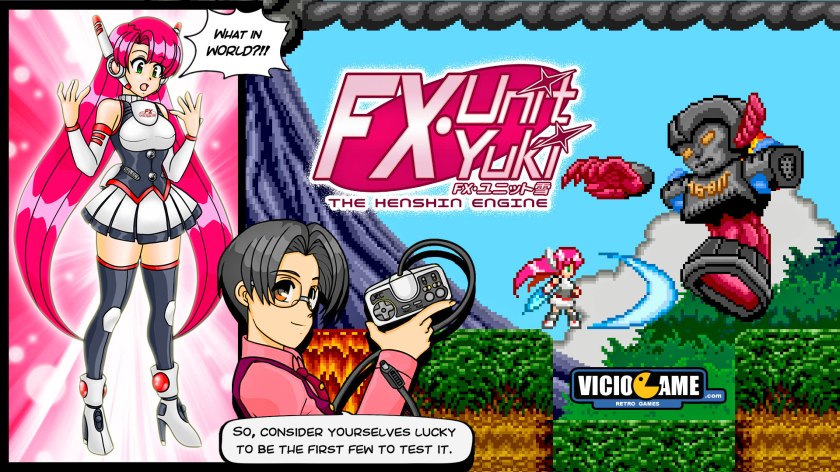
FX Unit Yuki: The Henshin Engine is a 2D platformer released in 2018 for the PC Engine Super CD-ROM². A young woman is accidentally sent into the world of video games. Her mission is to eliminate threats by traversing stages that serve as a true tribute to the great 16-bit classics.
Developer/Publisher: Saru Studio
Release date: 2018
Platform: PC Engine Super CD-ROM² / PC Engine Duo / TurboDuo
FX Unit Yuki: The Ultimate Guide
FX Unit Yuki: The Henshin Engine (FXユニット雪) is a 2D action-platformer developed by SaruPro and originally released in April 2018 for the PC Engine Super CD-ROM², compatible with both Japanese systems (PC Engine Duo) and American systems (TurboDuo). It’s an ambitious indie project that emerged through a successful Kickstarter campaign initiated in September 2016, originally titled simply “Henshin Engine,” with an initial release date planned for March 2017. The game is based on the webcomic of the same name and represents a multimedia project that combines pixel art, anime-style narrative, and deep references to PC Engine classics.
The crowdfunding campaign raised $35,276 from 511 backers, exceeding the established goal. The approximately one-year delay in development didn’t diminish fans’ enthusiasm, especially considering it was a small independent team working on real classic hardware. The game was developed from scratch to run on authentic 16-bit consoles, providing a truly retro experience on both the PC Engine Super CD-ROM² and subsequent versions for Sega Genesis/Mega Drive (released March 2019), Sega Dreamcast (2019-2020), and Nintendo Switch (November 2, 2023).
SaruPro, a studio founded by D.J. “Sarumaru” Medina in 2016, led the game’s development. Medina, who has worked as an artist for most of his life and has experience on projects like Osu! (an online music game), designed characters and sprites for FX Unit Yuki. The lead programmer was David Rover, credited as “TheOldRover” from Eponasoft, responsible for the game’s code and PSG sound effects. The music was composed by Simon Johansson, known as Garbled Waves, while background art was handled by Justin Cheer (Black Tiger), who also contributed sprite work. Level design was done in collaboration between Medina and Cheer.
Sarumaru revealed in an interview that finding a team that believed in the project was the biggest initial challenge. Several programmers expressed skepticism or refused to collaborate until he met Rover, at which point development finally began to move forward. Medina’s inspiration for the game comes from his experiences in the 1990s, when he was introduced to the PC Engine Super CD-ROM² and discovered the combination of gameplay with anime cutscenes and orchestral soundtracks. This experience profoundly marked his perception of video games and inspired his dream of creating something similar ever since.
The game received a complete professional production, with a full-color printed manual, professionally duplicated CD with color printing, and even a spine card. Higher-tier Kickstarter backers received a “treasure box” with additional items, including a lanyard with Yuki’s JEC employee badge. The deluxe digital version, available for $14.99, includes the digital manual, a webcomic, and a remix of Yuki’s theme song by DotBeatsu in FLAC and MP3 formats.
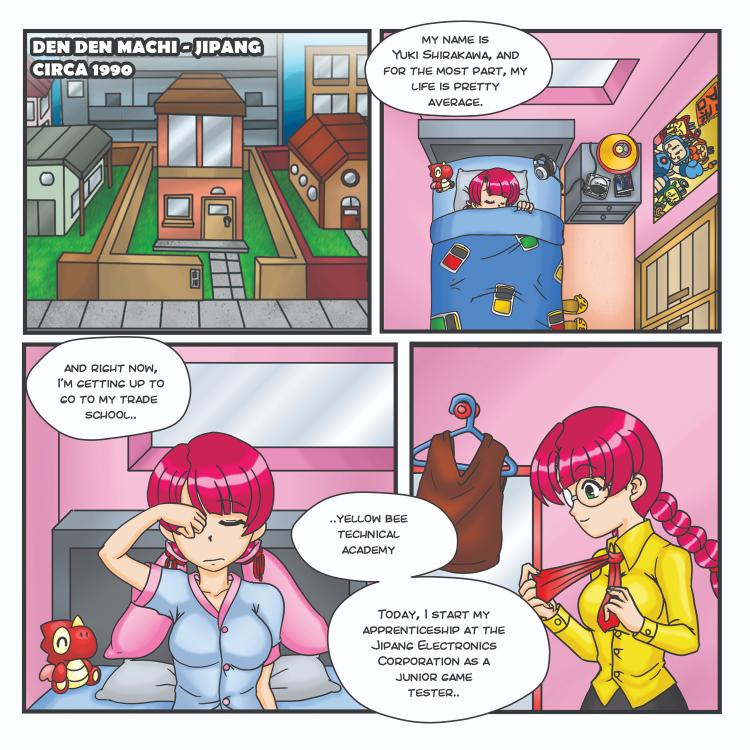
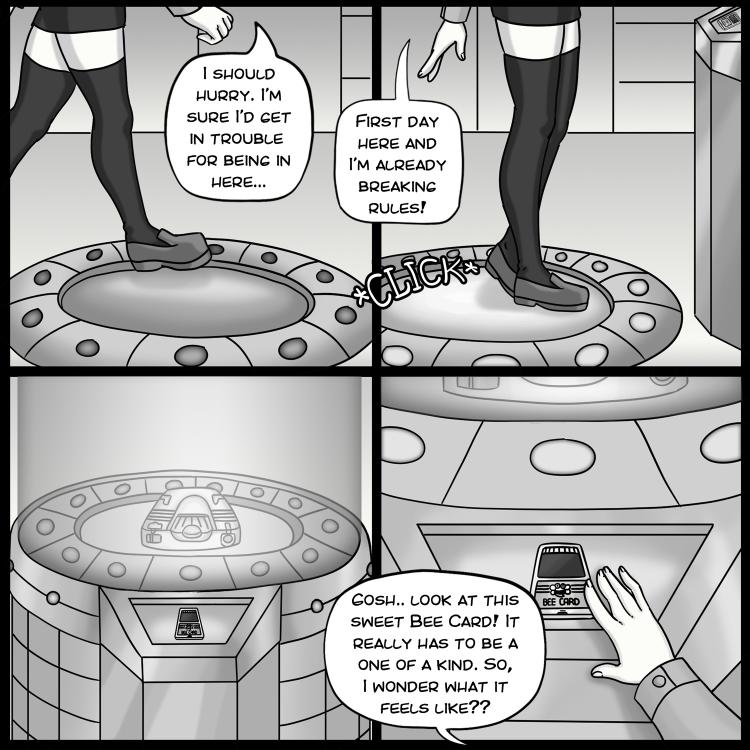
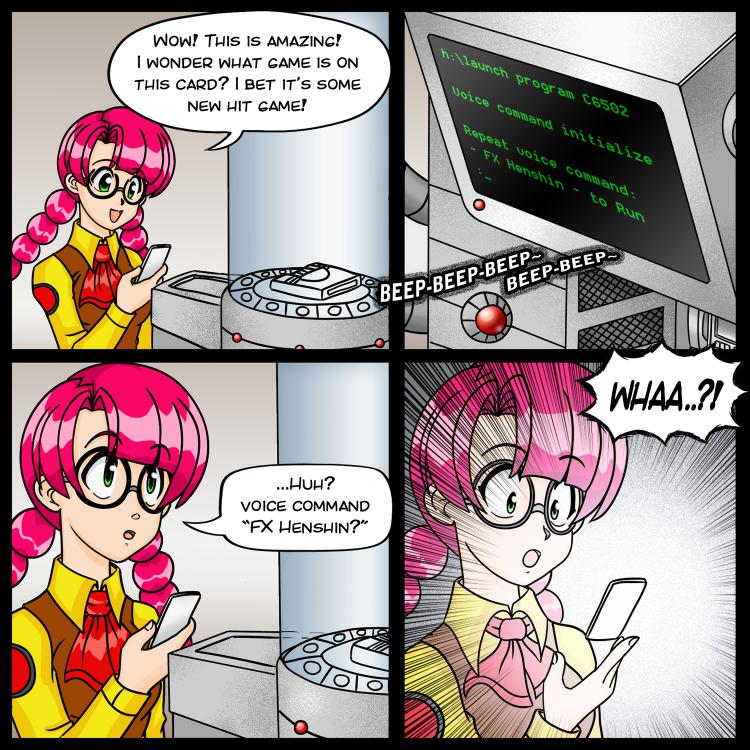
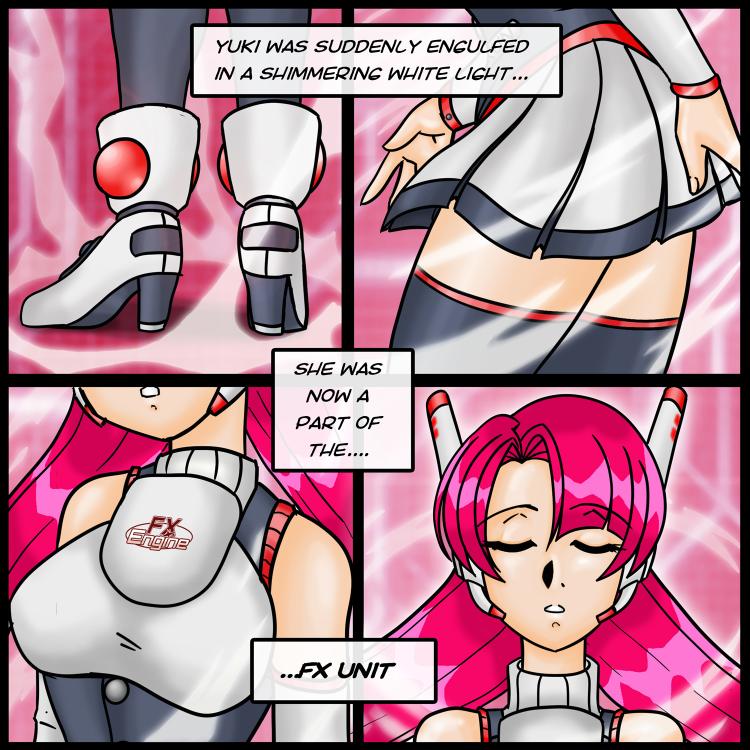
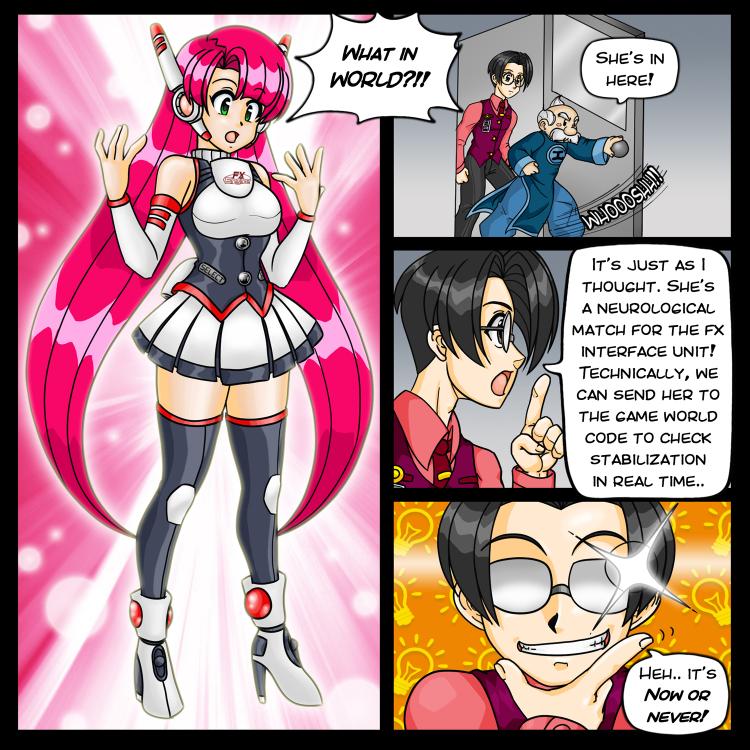
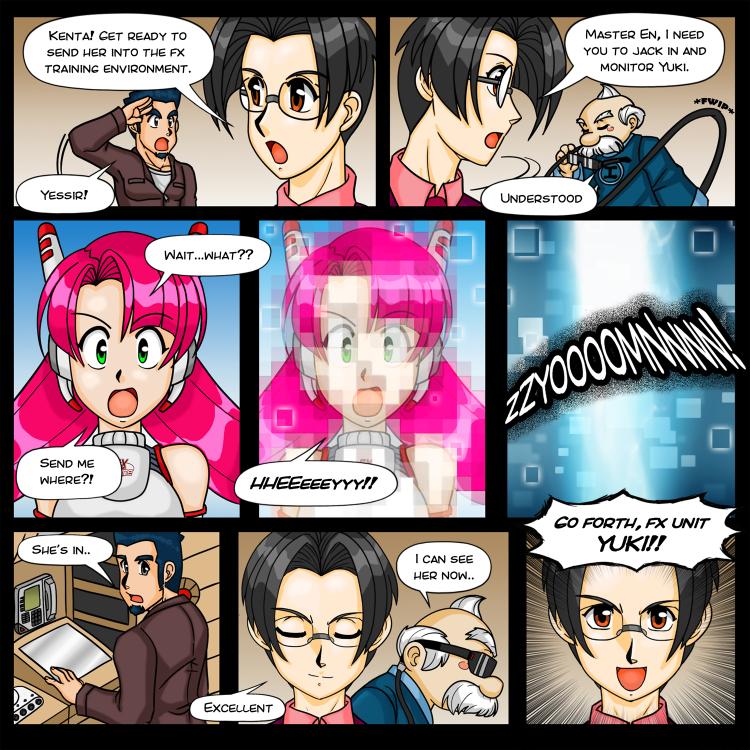
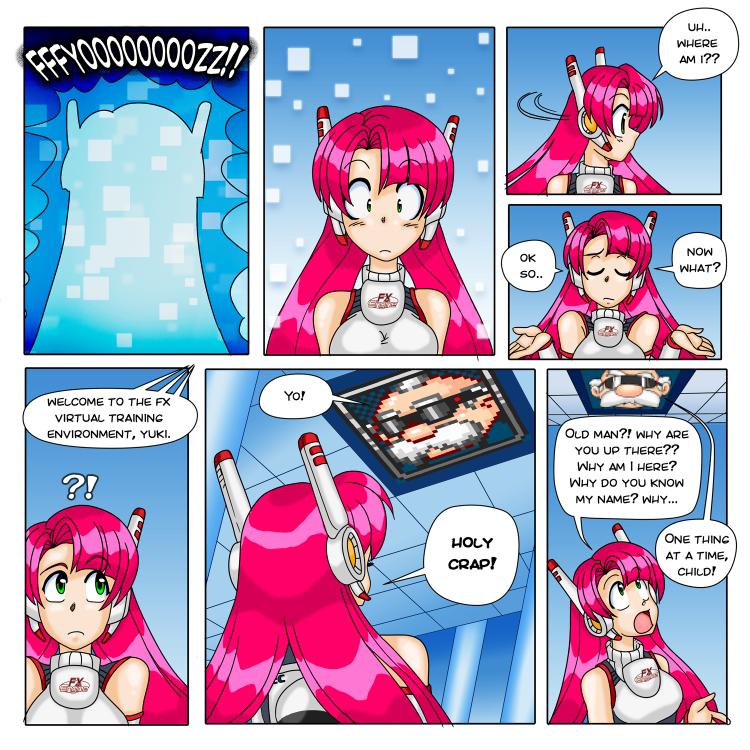
The narrative of FX Unit Yuki follows Yuki Shirakawa, a young and enthusiastic student at Yellow Bee Academy and avid gamer who has just landed her dream job as a game tester at Jipang Electronics Corporation (JEC). Her favorite console is the FX Engine, JEC’s own product. During a visit to the company headquarters, Yuki accidentally approaches an experimental FX Engine prototype and is digitized, transforming into a digital heroine in the style of 90s anime magical girls, complete with revealing outfits and special powers.
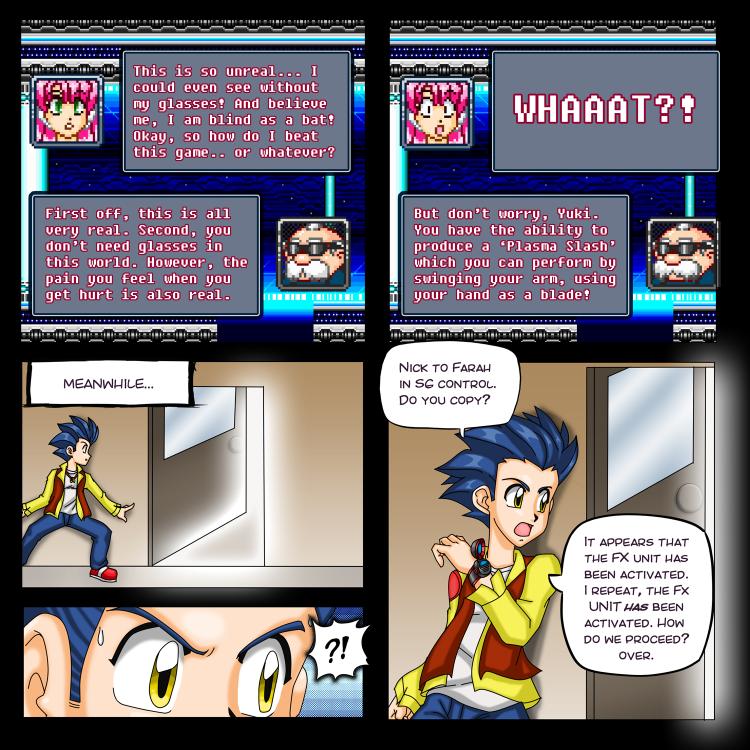
In this form as FX Unit Yuki, she receives the ability to physically enter games under development and discovers that the rival corporation, SG Corporation, has sent its own digital avatar, Ultradrive Unit Geni, to sabotage JEC’s games by inserting malware and bugs. Yuki’s mission is to navigate through eight different video game worlds, eliminate the malicious programs, and protect JEC’s releases from corporate sabotage. The premise works as pure fan service for PC Engine enthusiasts, as each stage is an explicit homage to classic console titles.
Cutscenes between stages are presented in full-screen anime style, something impressive considering most PC Engine CD games of the era displayed their scenes in smaller windows. In-game dialogue appears in windows with character portraits, and there’s a portrait of Yuki in the upper left corner of the screen next to the energy meter that changes expression as her health decreases or regenerates, adding personality to the presentation.
Valiya Iriss, the main character from the space shooter game Strike Harbinger, appears as an unlockable playable character in FX Unit Yuki. This collaboration emerged from the friendship between the SaruPro team and the Strike Harbinger developers, who noticed aesthetic similarities between the characters. Valiya is known as “Strike Unit” in the game and has reverse attacks compared to Yuki’s.
FX Unit Yuki is primarily a side-scrolling platformer with hack-n-slash elements, complemented by horizontal-scrolling shoot ‘em up stages. The controls are responsive and Yuki has a complete repertoire of classic moves. Her basic attack is a plasma sword slash that has adequate range to hit most enemies. She can also execute a crouching punch with very short range, although this move has limited utility since the standing sword slash covers enough area to hit low enemies.
The charged attack system works similarly to Shockman, allowing Yuki to accumulate energy to fire more powerful projectiles. As she progresses through the game, she acquires new abilities represented by power-ups in the form of HuCards (the PC Engine‘s game cards), including double jump and slide. The slide allows Yuki to move quickly along the ground, useful for both locomotion and avoiding attacks. The double jump adds an extra layer of vertical mobility, allowing her to reach higher platforms and adjust trajectories in the air.
The similarity to Yuko from Valis is intentional, although Yuki has a superior jump. The main sprite’s animation is well-crafted, with details like Yuki’s hair blowing in the wind when she jumps and special poses when she completes a stage. There’s a small bug related to stairs and ramps where Yuki sometimes runs over the top and sometimes her sprite gets partially inside the structure.
Each stage is divided into relatively long sections, and Yuki returns to the beginning of the current section when she loses a life. This system can become tedious, but forces the player to learn patterns and layouts. The checkpoint system within stages helps mitigate frustration, although some sections are still challenging. There’s no progress save system, requiring the game to be completed in a single session in classic style, although the difficulty setting is saved.
Enemy behavior presents some annoying patterns. Many flying enemies, even in the tutorial stage, quickly pass by the player and then circle behind, making them difficult to hit head-on and breaking the flow of action. If one of them hits Yuki during a jump, she’s pushed back at least a quarter of the screen, often resulting in falls into bottomless pits or spikes that kill instantly. Therefore, it’s necessary to memorize where these enemies appear and eliminate them immediately. In the first shoot ‘em up stage, there’s a blue enemy that quickly emerges from the ground and is almost impossible to avoid, hitting Yuki every time.
Bosses are challenging and occasionally can seem unfair, but they have patterns and habits that can be learned. Each boss offers a unique challenge, remaining within the realm of manageable even when difficult. The strategy generally involves observing attack patterns, identifying windows of opportunity, and reacting quickly to telegraphed movements.
The game features eight complete stages, most of them direct homages to the PC Engine‘s most iconic hits. Each stage functions as a playable parody that captures the visual and thematic essence of the original games without directly copying them.
Tutorial Stage: The first stage serves as an introduction to basic controls and mechanics. Although relatively simple, it already presents flying enemies that can be problematic if the player isn’t attentive.
Stage 1 – Adventure Island: The first proper stage is inspired by Adventure Island, featuring a tropical setting with platforms, enemies, and obstacles reminiscent of the series. The colorful visuals and cute enemies establish the game’s tone.
Stage 2 – Cotton: This stage is a parody of Cotton 100%, changing the format to horizontal shoot ‘em up. Yuki flies through magical scenarios facing waves of enemies and moving obstacles. The stage includes the problematic blue enemy that jumps from the ground with almost no warning.
Stage 3 – Castlevampire: Inspired by Castlevania: Rondo of Blood (known as Dracula X in the West), this stage features the classic Gothic castle with vampiric themes. Even with the dark theme, enemies maintain the game’s characteristic cute aesthetic.
Underwater Stage: A swimming section is included, although it’s a bit monotonous compared to other parts of the game. The underwater movement mechanics change the pace of action.
PC Genjin/Bonk Stage: This homage to Bonk’s Adventure (known as PC Genjin in Japan) captures the series’ eccentric personality. The stage includes exploration elements and the previously mentioned underwater section.
Lords of Thunder Stage: Based on the classic shoot ‘em up Lords of Thunder, this stage is hated by many players, being longer than ideal. It features frenetic fantasy-themed shooting action.
Shockman Stage: The last stage before the final confrontation is inspired by Shockman/Shubibinman, an action series that was popular on the PC Engine. Yuki’s charged attack mechanic directly reflects this series’ influence.
Level design is good, with many platforming challenges. There are some platform layout choices considered strange here and there, and some levels that could be more refined, but overall the difficulty progression is well-balanced and rewards player skill.
FX Unit Yuki offers three selectable difficulty levels. The difficulty choice significantly affects the gameplay experience and available rewards. Easy mode grants more lives to the player, making progression less punishing. However, playing on Easy mode doesn’t allow access to the game’s “true ending.” Players who wish to experience the complete story conclusion must play at least on Normal mode. Normal mode offers the standard balance between challenge and accessibility. This is the recommended mode for the first playthrough, especially for players who get frustrated easily, as it guarantees access to the complete narrative ending. Hard mode represents the biggest challenge the game offers. Completing the game on this difficulty unlocks Valiya, the Strike Unit, as a playable character. Valiya has reverse attacks compared to Yuki’s, providing a different experience in replayability.
Additionally, there’s a secret alternate ending that can be accessed through a specific sequence of actions in Stage 3. In the corridor with candles, the player must break them in the exact order: 4, 8, 1, 9, 7, 5. Doing this correctly after defeating the vampire bat mini-boss at the end of the corridor opens an additional secret stage. Completing this secret stage unlocks not only a different alternate ending, but also a special victory animation displayed when completing Stage 3. This discovery adds significant replay value and rewards players who fully explore the game.
To assist with progression and allow direct access to stages, the game includes a password system. These codes can be entered on the “Enter Code” screen to skip directly to specific stages or unlock special content. Known passwords include:
- Unlock Valiya: 003050
- Stage 1: 166084
- Stage 2: 189610
- Stage 3: 117562
- Stage 4: 123810
- Stage 5: 130962
- Stage 6: 102970
- Stage 7: 195422
The visual presentation of FX Unit Yuki is one of its strongest points. The graphics are wonderful, with well-drawn and animated sprites. Yuki’s sprite is particularly expressive, demonstrating attention to detail in its animation. The backgrounds do an excellent job imitating the style of each parodied game without directly copying them, maintaining a respectful homage while presenting original art.
The cutscene art is well-executed and impresses by demonstrating the developers’ ambition. The color palette is vibrant and appropriate for the anime aesthetic the game seeks to capture. The overall visual style manages to simultaneously look authentic to the 16-bit era while presenting its own artistic identity.
The soundtrack, composed by Simon Johansson (Garbled Waves), receives unanimous praise and is often highlighted as the game’s most exceptional feature. The 21-track album was released separately on February 28, 2018, through Bandcamp, allowing fans to appreciate the music outside the game’s context.
The music incorporates a mix of upbeat rock and pop tracks with a video game touch, absolutely holding up to the PC Engine‘s favorite OSTs. The combination of guitars, keyboards, and light techno creates rhythmic and catchy compositions that perfectly complement the on-screen action. Tracks like “Welcome to Oni-Island” and “Go Forth, FX Unit Yuki!” became particularly popular among players. Many claim that 16-bit music quality hadn’t been this good since the Gate of Thunder/Lords of Thunder series.
A chiptune version of the soundtrack was later created for the Sega Genesis version, released on physical CD on May 23, 2024. This version features arrangements by Tracker Maniacs Sound Team, composed of Edson Leal Jr., Eduardo Teodoro Pinto, and Raphael Cavalcanti, plus a version of Frédéric Chopin’s “Funeral March.” The sound hardware used in the Mega Drive version was the YM2612 and SEGA VDP PSG, with Simon Johansson and the Tracker Maniacs team sharing composition credits. Sound effects were created by David Rover, complementing the musical score with authentic 16-bit sounds that reinforce player actions and in-game events.
Controls in FX Unit Yuki follow the standard established by classic console platformers, using the directional pad for movement and buttons for actions. Specific button functions include:
- D-Pad: Horizontal movement (left/right) and crouch (down)
- Button I: Sword attack/shoot (can be held to charge)
- Button II: Jump (press again in the air after unlocking for double jump)
- D-Pad down + Button II (after unlocking): Slide
Control responsiveness is good, with Yuki responding promptly to commands. Jump physics are well-calibrated, offering precise control over trajectory. Timing for the double jump must be mastered to effectively navigate the most challenging sections. The slide, once unlocked, adds significant mobility and can be chained with other moves to create fluid action flows.
Although the PC Engine Super CD-ROM² version is the original and the main focus of this guide, FX Unit Yuki was later ported to other systems, each with its particularities.
The Mega Drive version was released in March 2019 through JoshProd manufacturing, following a vote among Kickstarter backers who chose this console as the priority for portability. This version features a different chiptune soundtrack adapted for the Genesis‘s YM2612 sound hardware. However, this port came with significant technical limitations: the cartridges only work on Model 1 consoles (Mega Drive/Genesis 1) and compatible clones, not being compatible with Model 2, CDX, or other later models due to conflicts with the sound chip and board. Only 100 copies were initially produced with no restocking. Despite the technical limitations, the version is still valued by collectors as a new IP developed from scratch for classic consoles.
The Sega Dreamcast version arrived in 2019, with a release initially scheduled for March 15, 2020. This version was improved over the original and is cheaper than the Genesis version. It was produced on MIL-CD media (like all professional indie Dreamcast games) by JoshProd and distributed through various stores including PixelHeart, VGNYsoft, and Stone Age Gamer. The Dreamcast version is region-free and supports HDMI and VGA cables. As an important warning, MIL-CD media may not be compatible with some Dreamcast consoles manufactured after November 2000, which should be checked on the system’s label before purchase. 300 copies of the American version and 2000 numbered copies of the PAL version were produced, with certificate of authenticity included.
The Nintendo Switch version was released on November 2, 2023, for $8.99, with a 10% discount for pre-orders. This modern version brought the game to a contemporary audience, maintaining fidelity to the retro experience while offering the conveniences of a modern platform such as difficulty selection and the ability to pause and resume the game. The Switch version is widely accessible through the digital Nintendo eShop.
All versions maintain the eight main stages, multiple endings, power-up system, and unlocking Valiya through password or completing Hard mode, although small technical and presentation differences exist between platforms due to each hardware’s specific capabilities.
The reception of FX Unit Yuki by the retro gaming community was mixed, with specific aspects receiving both praise and criticism. Unanimity arises mainly around the soundtrack, which is almost universally praised as exceptional and worthy of standing alongside the best PC Engine OSTs. The visual presentation also receives appreciation, with the colorful graphics and Yuki’s expressive animation being highlighted positively.
The more critically received elements include level design, described by some as rudimentary and uninspired, especially in the platforming sections. The shoot ‘em up stages were particularly criticized, being called bad by some reviewers. The dialogue was described as terrible, and the controls were sometimes called clumsy. The annoying behavior of some enemies and the excessive knockback system that often results in deaths from falling were also mentioned frustration points.
However, the game’s defenders argue that these problems should be contextualized. FX Unit Yuki is a labor of love produced on a limited budget by a very small team of well-meaning enthusiasts for a niche system. As such, it represents a significant achievement in the indie retro game development scene. For dedicated fans of the PC Engine and TurboGrafx-16, the game offers value through its homages and references, even if it doesn’t reach the quality of the titles it’s parodying.
The overall assessment shows that players with deep appreciation for the PC Engine and its library will find fun in FX Unit Yuki despite its flaws. The experience of recognizing the references and appreciating the homages to the classics is worth the journey for this audience. On the other hand, players without a particular emotional connection to the system may have difficulty tolerating the more problematic aspects of the game, as the presentation, while pleasant, doesn’t fully compensate for the level design and control issues.
A Metacritic reviewer perfectly summarized this dichotomy: “If your love for NEC and Hudson burns equally strong, you’ll probably have fun with FX Unit Yuki. Sure, the dialogue is terrible, the level layouts are bland, the controls are frequently clumsy, and the shooting stages are genuinely bad, but it’s still worth the trip to see all the parodies and homages. On the other hand, if you don’t have any warm feelings for that system and its library, I’m not sure it’s worth putting up with the more annoying aspects of FX Unit Yuki“.
Some trivia about the game:
- The building that appears in the cutscene is the real building of NEC’s headquarters in Japan.
- The company name “Jipang Electronics Corporation” (JEC) is an analogy to “Nippon Electric Company” (NEC) itself. Similarly, “SG Corporation” represents “Sega Corporation,” and “Ultradrive Unit Geni” is equivalent to “Sega Genesis.”
- Yuki was supposed to use a ponytail hairstyle, but due to technical limitations, it had to be changed to fit within the 32×32 pixels required by the hardware.
- Originally, the game and manga would have three console-girls as protagonists, each based on an NEC console. This idea was abandoned 1 year later to focus on a more robust narrative.
- Yuki’s pink hair represents the pink color used on the sides of PC Engine Super CD-ROM² games.
- The photo on character Nobuyuki’s badge randomly changes expression.
- Nobuyuki was based on a real store employee (both personality and appearance). He was the one who introduced the PC Engine to Saru in 1991.
- The complete story hasn’t been released yet, but they’ve hinted that the character Master En has some kind of close relationship with Yuki’s grandfather, and it will affect her emotionally when the truth is exposed.
- Master En and Jin’s names together form “Enjin” (Engine), as a homage to the PC Engine.
- The character Fee’s design is based on the PC-FX console’s mascot, Rolfee.
- The character Geni’s design is based on the Sega Genesis console.
- The character Farah’s design is based on Sarah Bryant, the fighter from the game Virtua Fighter.
FX Unit Yuki: The Henshin Engine occupies a unique space in the homebrew and indie game scene for retro consoles. Along with developers like NG.DEV.TEAM and HuCast, SaruPro demonstrated that there’s still room for new games on classic hardware, and that there’s an audience willing to support such projects. The Kickstarter campaign’s success and subsequent releases on multiple platforms validate the concept of modern development for retro systems.
The game functions as a love letter to the PC Engine and its library, celebrating an era of video game history that’s often overshadowed by the Super Nintendo and Sega Genesis‘s dominance in the Western market. For players who grew up with the console or discovered its gems later, FX Unit Yuki offers a nostalgic experience that captures the spirit of the 16-bit era while telling an original story.
The professional quality of the physical production demonstrates respect for the medium and collectors. The fact that the game includes modern features shows that the team wasn’t just replicating the past, but trying to create something that could compete with the classics that inspired the project.
Sarumaru indicated in interviews that he intends to continue creating similar games as long as there’s an audience for them, and that SaruPro already has concepts for future projects. Collaboration with other indie developers demonstrates a growing community of creators working to keep the spirit of retro games alive.
FX Unit Yuki deserves recognition not just as a final product, but as evidence that passion for classic games can translate into viable new projects. Whether appreciated for its individual qualities or admired as an example of ambitious indie development, the game has earned its place on shelves alongside the classics that inspired it. For collectors and enthusiasts of the PC Engine/TurboGrafx-16, it’s a worthy addition to the library that celebrates the system they all love.
Those who wish to experience FX Unit Yuki can find physical copies through official distributors and various stores specializing in retro games, although availability is limited. The digital version is available through itch.io, and the Switch version offers the most accessible port for modern players. Regardless of the chosen platform, FX Unit Yuki represents an opportunity to experience a new game created with genuine love for classic hardware and the golden age of 16-bit gaming.
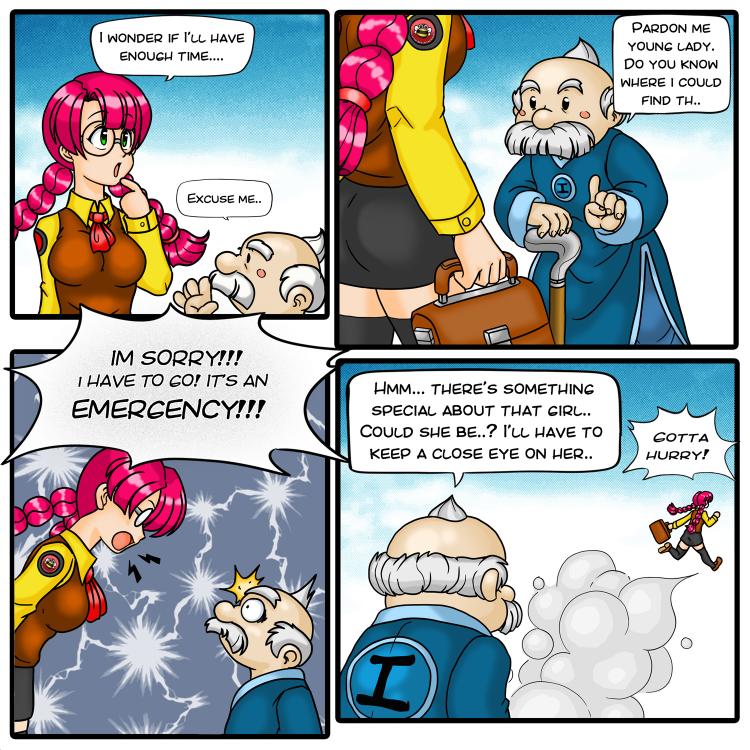
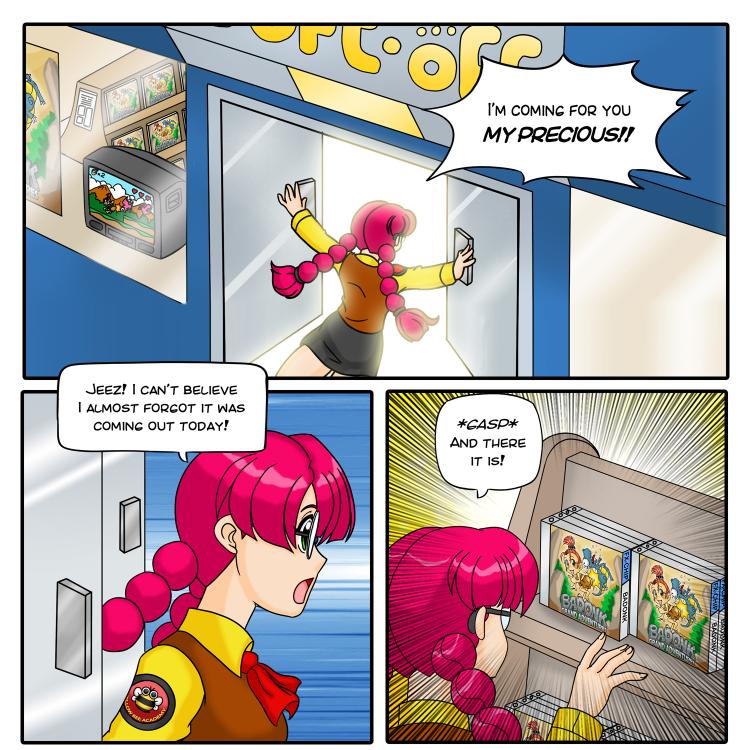
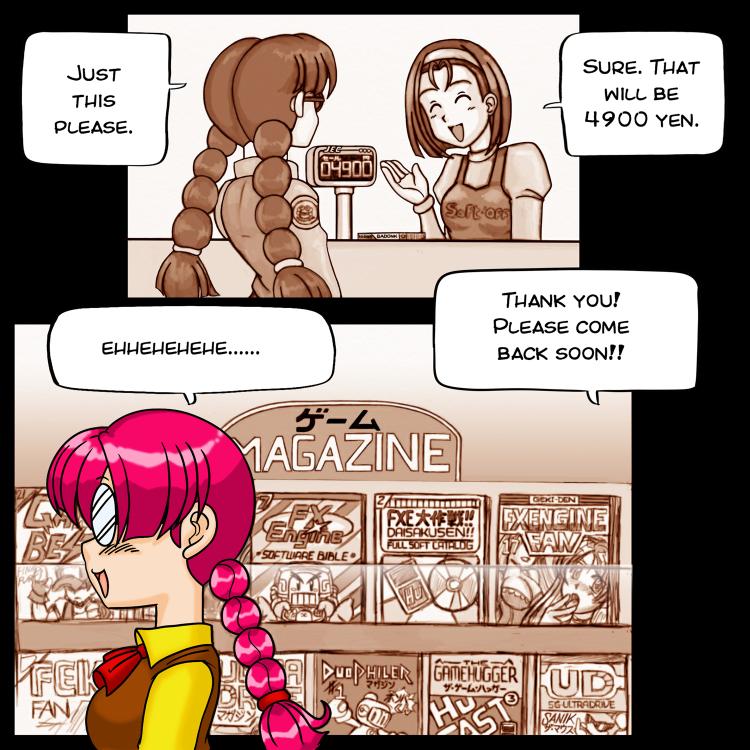
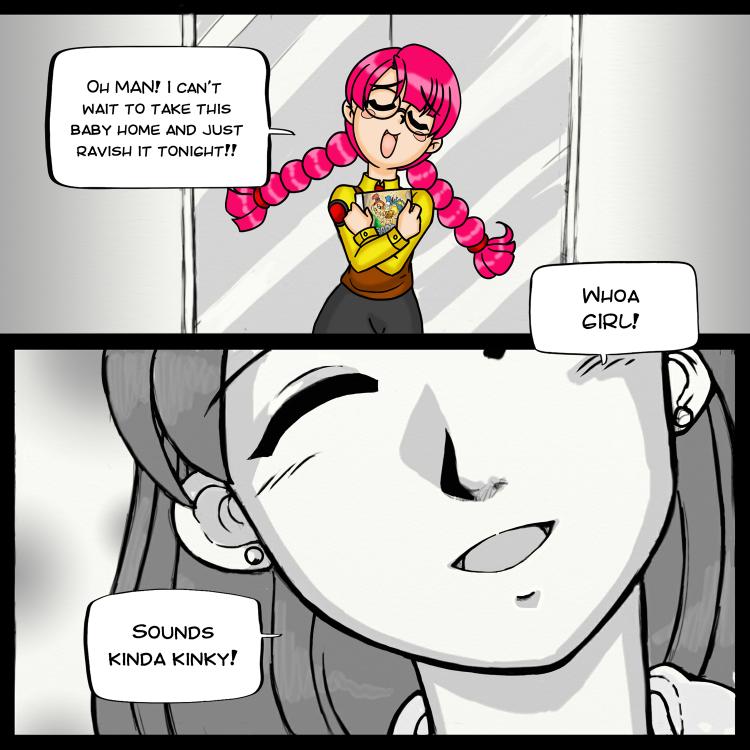
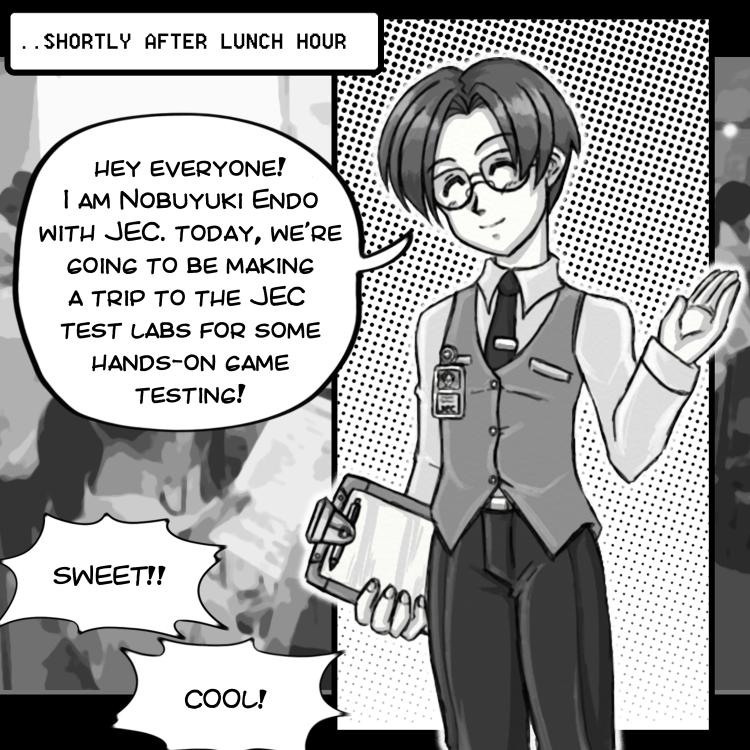
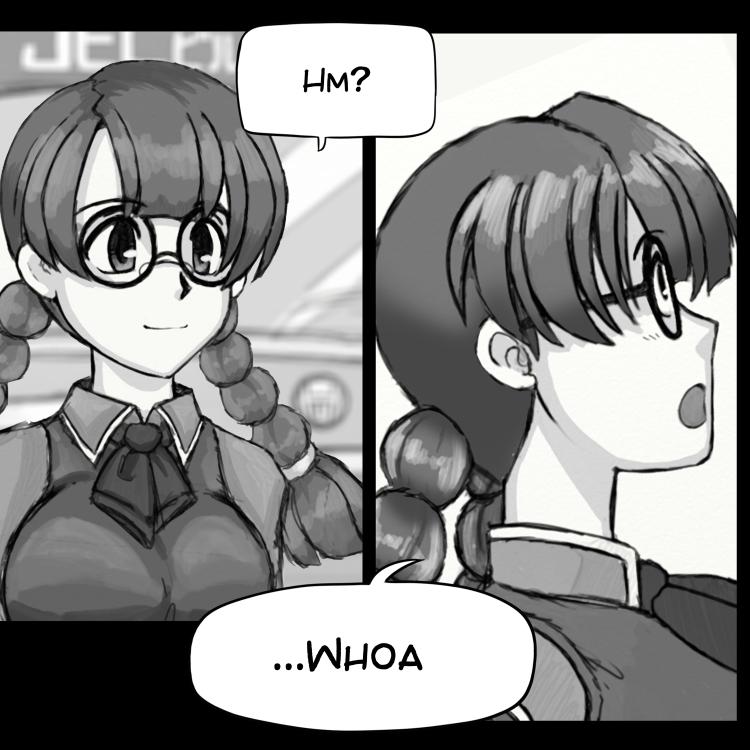
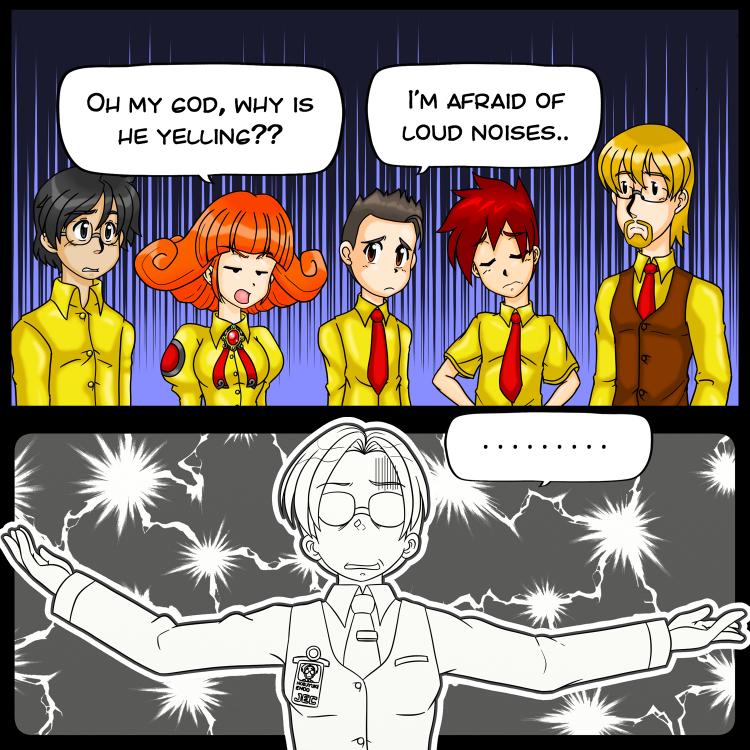
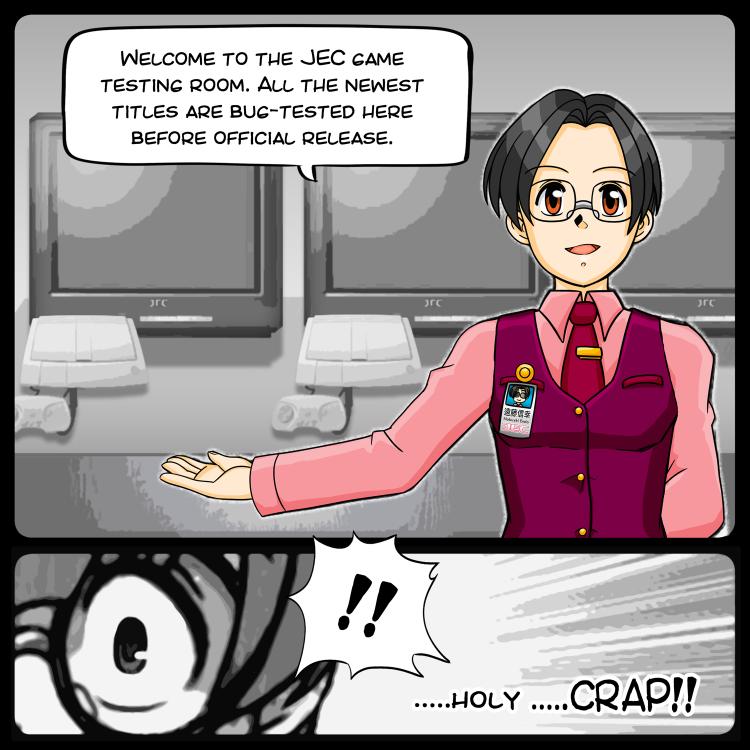
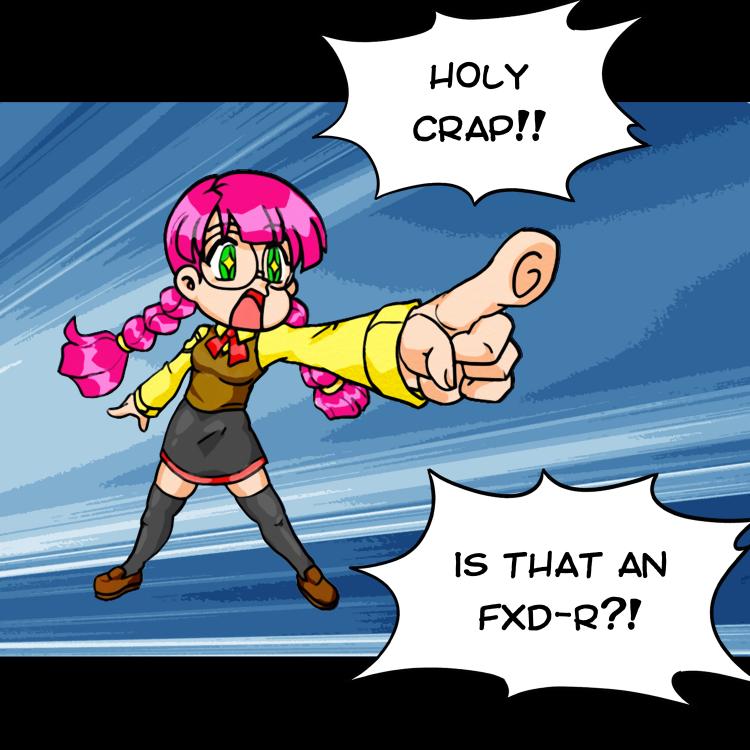
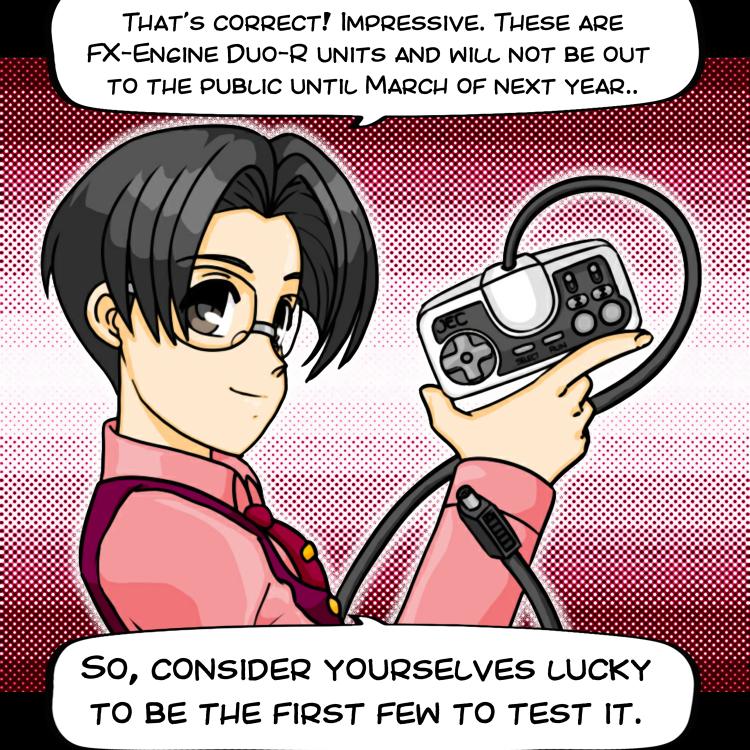
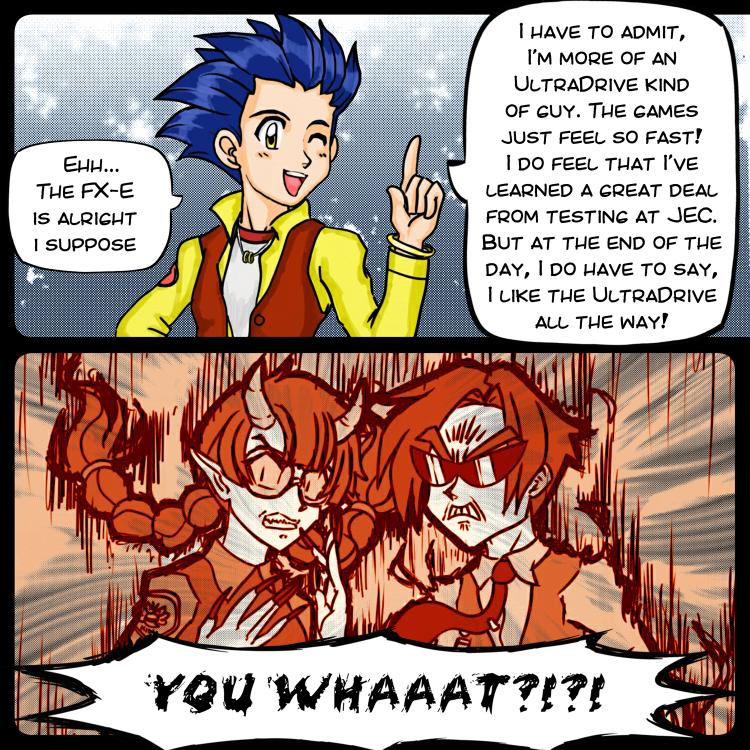
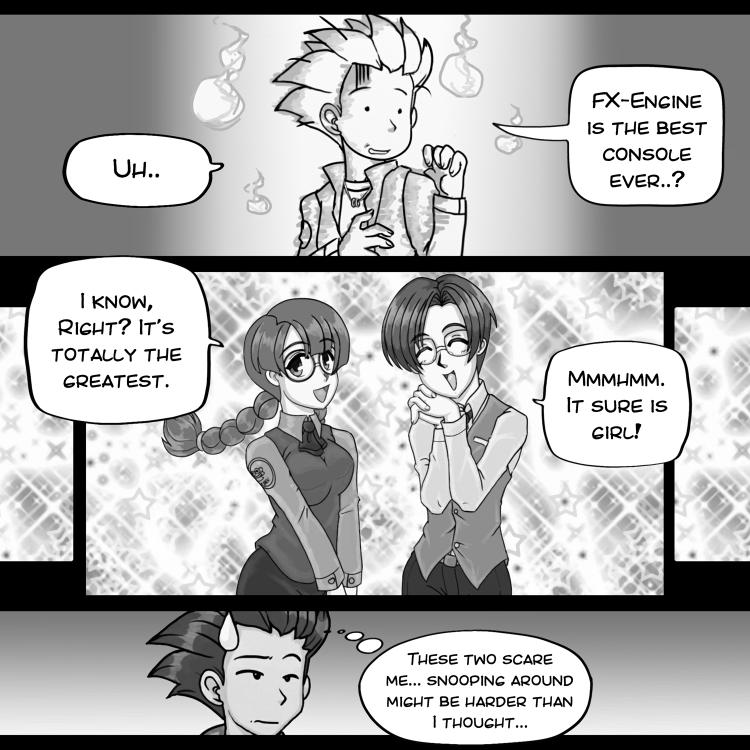
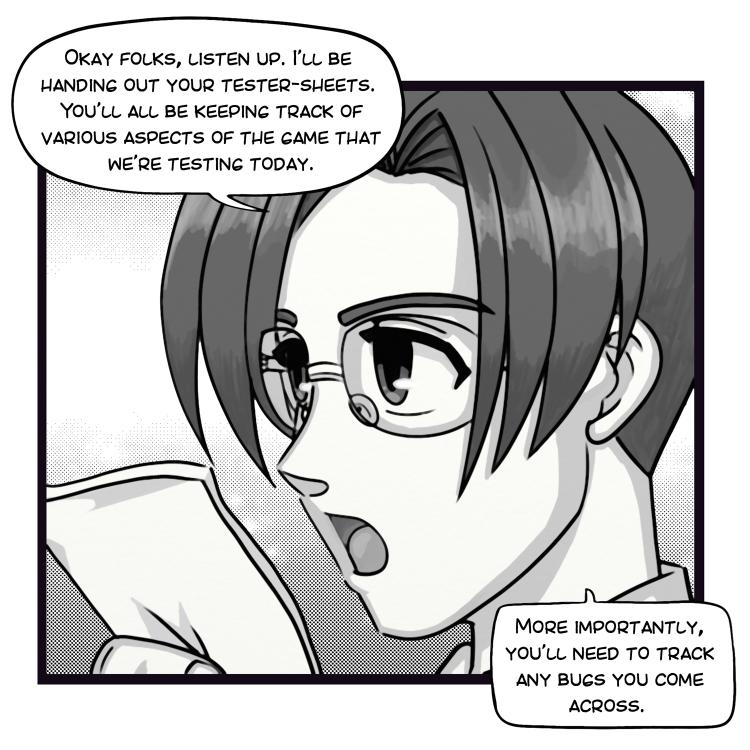
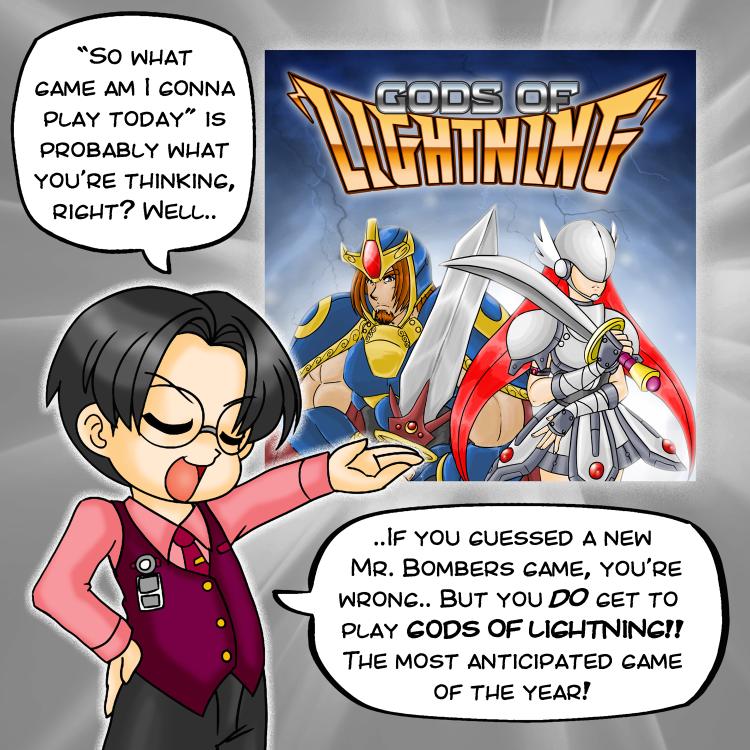
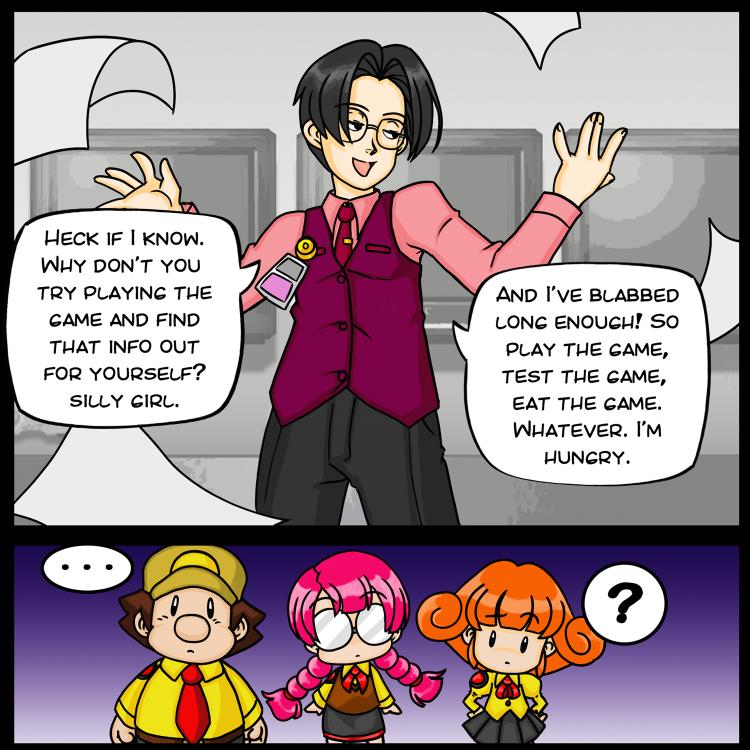
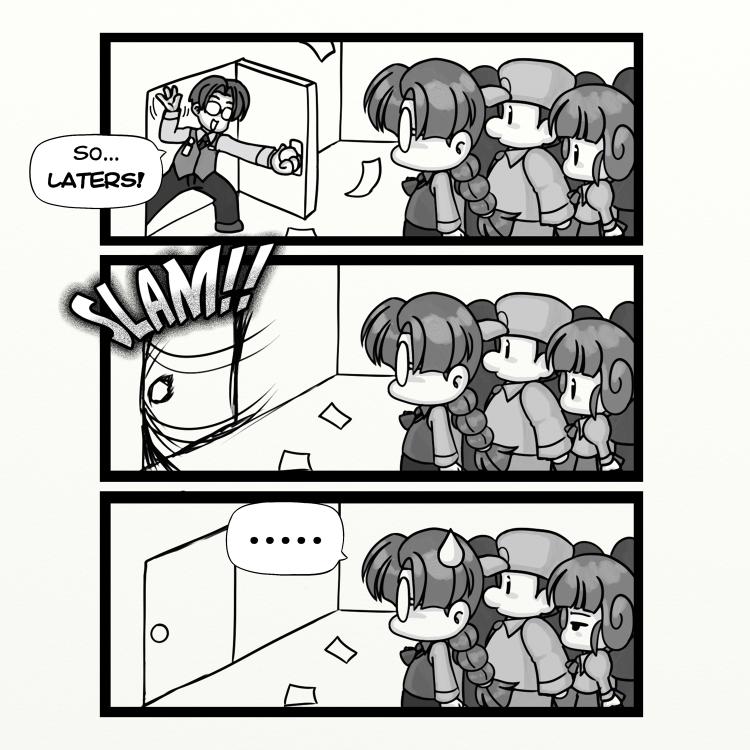
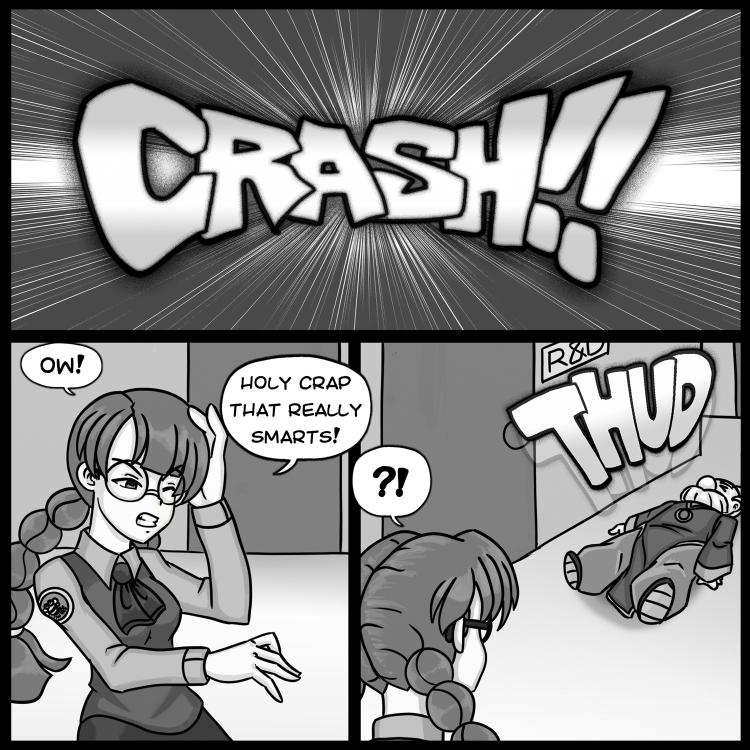
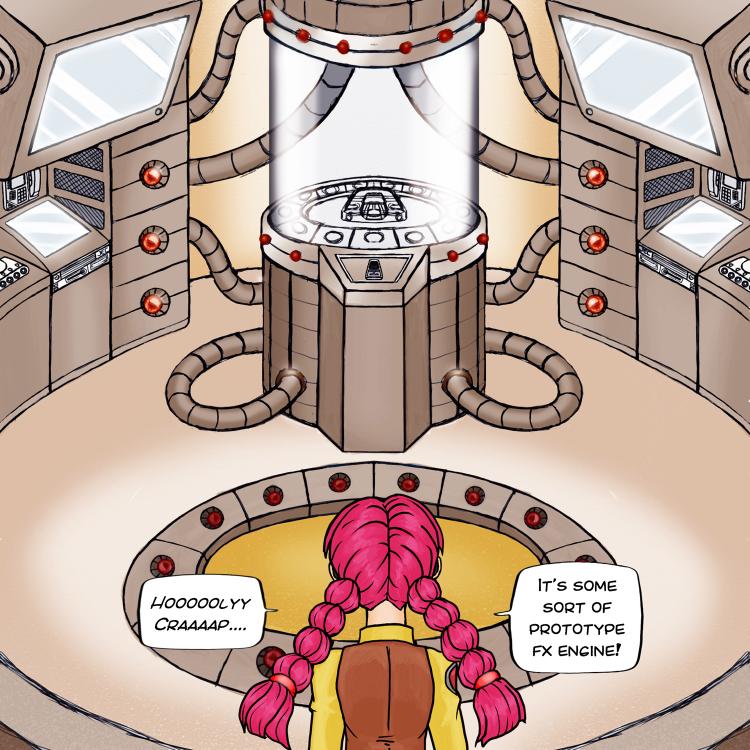
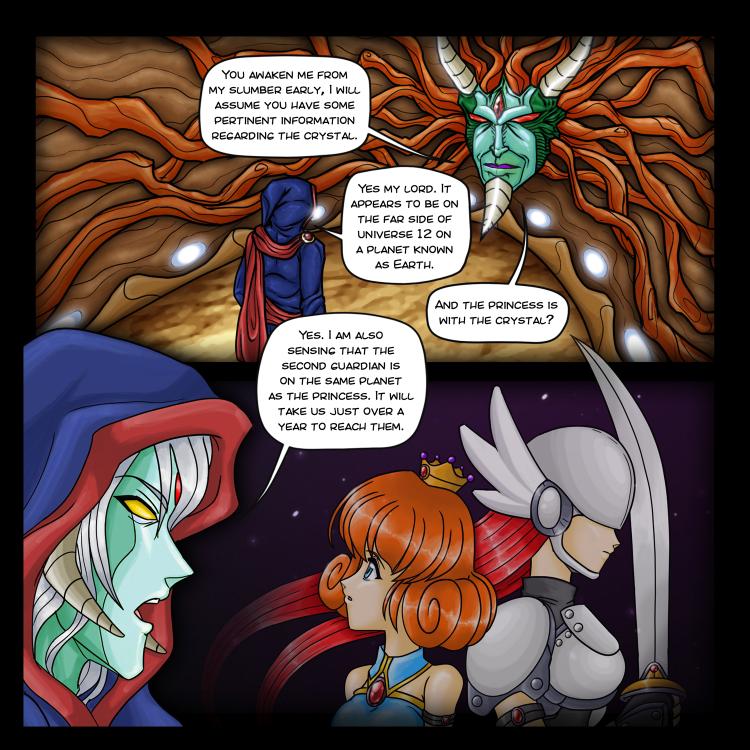
Below you can read the webcomic Volume 1 titled ‘The Henshin Engine’:


























FX Unit Yuki: O Guia Definitivo
FX Unit Yuki: The Henshin Engine (FXユニット雪) é um jogo de ação e plataforma em 2D desenvolvido pela SaruPro e lançado originalmente em abril de 2018 para o PC Engine Super CD-ROM², compatível tanto com sistemas japoneses (PC Engine Duo) quanto americanos (TurboDuo). Trata-se de um projeto indie ambicioso que surgiu através de uma bem-sucedida campanha no Kickstarter iniciada em setembro de 2016, originalmente intitulada apenas “Henshin Engine”, com previsão inicial de lançamento para março de 2017. O jogo é baseado na webcomic de mesmo nome e representa um projeto multimídia que combina arte em pixel, narrativa em estilo anime e referências profundas aos clássicos do PC Engine.
A campanha de financiamento coletivo arrecadou US$ 35.276 com 511 apoiadores, superando a meta estabelecida. O atraso de aproximadamente um ano no desenvolvimento não diminuiu o entusiasmo dos fãs, especialmente considerando que se tratava de uma pequena equipe independente trabalhando em hardware clássico real. O jogo foi desenvolvido do zero para funcionar em consoles de 16 bits autênticos, proporcionando uma experiência verdadeiramente retrô tanto no PC Engine Super CD-ROM² quanto nas versões subsequentes para Sega Genesis/Mega Drive (lançada em março de 2019), Sega Dreamcast (2019-2020) e Nintendo Switch (2 de novembro de 2023).
A SaruPro, estúdio fundado por D.J. “Sarumaru” Medina em 2016, liderou o desenvolvimento do jogo. Medina, que trabalha como artista há a maior parte de sua vida e tem experiência em projetos como Osu! (um jogo musical online), desenhou personagens e sprites para FX Unit Yuki. O programador principal foi David Rover, creditado como “TheOldRover” da Eponasoft, responsável pelo código do jogo e pelos efeitos sonoros PSG. A música foi composta por Simon Johansson, conhecido como Garbled Waves, enquanto a arte de fundo ficou a cargo de Justin Cheer (Black Tiger), que também contribuiu com trabalho de sprites. O design de níveis foi realizado em colaboração entre Medina e Cheer.
Sarumaru revelou em entrevista que encontrar uma equipe que acreditasse no projeto foi o maior desafio inicial. Vários programadores demonstraram ceticismo ou se recusaram a colaborar até que ele conheceu Rover, momento em que o desenvolvimento finalmente começou a avançar. A inspiração de Medina para o jogo vem de suas experiências nos anos 90, quando foi apresentado ao PC Engine Super CD-ROM² e descobriu a combinação de jogabilidade com cutscenes em anime e trilhas sonoras orquestrais. Essa experiência marcou profundamente sua percepção dos videogames e inspirou seu sonho de criar algo similar desde então.
O jogo recebeu uma produção profissional completa, com manual impresso colorido, CD duplicado profissionalmente com impressão colorida e até um cartão de lombada. Os apoiadores de níveis mais altos do Kickstarter receberam uma “caixa de tesouro” com itens adicionais, incluindo um cordão com o crachá de funcionária da JEC de Yuki. A versão digital deluxe, disponível por US$ 14,99, inclui o manual digital, uma webcomic e um remix da música tema de Yuki por DotBeatsu em formatos FLAC e MP3.
A narrativa de FX Unit Yuki segue Yuki Shirakawa, uma jovem e entusiasmada estudante da Yellow Bee Academy e ávida jogadora que acabou de conseguir seu emprego dos sonhos como testadora de jogos na Jipang Electronics Corporation (JEC). Seu console favorito é o FX Engine, produto da própria JEC. Durante uma visita à sede da empresa, Yuki se aproxima acidentalmente de um protótipo experimental do FX Engine e é digitalizada, transformando-se em uma heroína digital ao melhor estilo das magical girls dos animes dos anos 90, com trajes reveladores e poderes especiais.
Nesta forma de FX Unit Yuki, ela recebe a capacidade de entrar fisicamente dentro dos jogos em desenvolvimento e descobre que a corporação rival, SG Corporation, enviou seu próprio avatar digital, Ultradrive Unit Geni, para sabotar os jogos da JEC inserindo malwares e bugs. A missão de Yuki é navegar através de oito diferentes mundos de videogames, eliminar os programas maliciosos e proteger os lançamentos da JEC contra a sabotagem corporativa. A premissa funciona como puro fan service para entusiastas do PC Engine, já que cada fase é uma homenagem explícita a títulos clássicos do console.
As cutscenes entre fases são apresentadas em tela cheia no estilo anime, algo impressionante considerando que a maioria dos jogos de CD do PC Engine da época exibia suas cenas em janelas menores. Os diálogos durante o jogo aparecem em janelas com retratos dos personagens, e há um retrato de Yuki no canto superior esquerdo da tela ao lado do medidor de energia que muda de expressão conforme sua saúde diminui ou se regenera, adicionando personalidade à apresentação.
Valiya Iriss, personagem principal do jogo espacial de tiro Strike Harbinger, aparece como personagem jogável desbloqueável em FX Unit Yuki. Esta colaboração surgiu da amizade entre a equipe da SaruPro e os desenvolvedores de Strike Harbinger, que notaram semelhanças estéticas entre as personagens. Valiya é conhecida como “Strike Unit” no jogo e possui ataques reversos em relação aos de Yuki.
FX Unit Yuki é primariamente um jogo de plataforma de visão lateral com elementos de hack-n-slash, complementado por fases no estilo shoot ‘em up de rolagem horizontal. O controle responde bem e Yuki possui um repertório completo de movimentos clássicos. Seu ataque básico é um golpe de espada plasma que tem alcance adequado para acertar a maioria dos inimigos. Ela também pode executar um soco agachado com alcance muito curto, embora este movimento tenha utilidade limitada já que o golpe de espada em pé cobre área suficiente para atingir inimigos baixos.
O sistema de ataque carregado funciona de forma similar ao de Shockman, permitindo que Yuki acumule energia para disparar projéteis mais poderosos. Conforme progride através do jogo, ela adquire novas habilidades representadas por power-ups na forma de HuCards (os cartões de jogo do PC Engine), incluindo pulo duplo e deslizamento. O deslizamento permite que Yuki se mova rapidamente pelo chão, útil tanto para locomoção quanto para evitar ataques. O pulo duplo adiciona uma camada extra de mobilidade vertical, permitindo alcançar plataformas mais altas e ajustar trajetórias no ar.
A semelhança com Yuko de Valis é intencional, embora Yuki tenha um pulo superior. A animação do sprite principal é bem elaborada, com detalhes como o cabelo de Yuki balançando ao vento quando ela pula e poses especiais quando completa uma fase. Há um pequeno bug relacionado a escadas e rampas onde Yuki às vezes corre pelo topo e às vezes seu sprite fica parcialmente dentro da estrutura.
Cada fase é dividida em seções relativamente longas, e Yuki retorna ao início da seção atual quando perde uma vida. Este sistema pode se tornar tedioso, mas força o jogador a aprender os padrões e layouts. O sistema de checkpoint dentro das fases ajuda a mitigar a frustração, embora alguns trechos ainda sejam desafiadores. Não há sistema de salvamento de progresso, exigindo que o jogo seja completado em uma única sessão ao estilo clássico, embora a configuração de dificuldade seja salva.
O comportamento dos inimigos apresenta alguns padrões irritantes. Muitos inimigos voadores, mesmo na fase tutorial, passam rapidamente pelo jogador e então giram por trás, tornando-os difíceis de acertar frontalmente e quebrando o fluxo da ação. Se um deles atinge Yuki durante um pulo, ela é empurrada para trás pelo menos um quarto da tela, frequentemente resultando em quedas em abismos sem fundo ou em espinhos que matam instantaneamente. Por isso, é necessário memorizar onde esses inimigos aparecem e eliminá-los imediatamente. Na primeira fase de shoot ‘em up, há um inimigo azul que surge rapidamente do chão e é quase impossível de evitar, acertando Yuki toda vez.
Os chefes são desafiadores e ocasionalmente podem parecer injustos, mas possuem padrões e hábitos que podem ser aprendidos. Cada chefe oferece um desafio único, permanecendo dentro do reino do gerenciável mesmo quando difícil. A estratégia geralmente envolve observar os padrões de ataque, identificar janelas de oportunidade e reagir rapidamente aos movimentos telegrafados.
O jogo apresenta oito fases completas, sendo a maioria delas homenagens diretas aos sucessos mais icônicos do PC Engine. Cada estágio funciona como uma paródia jogável que captura a essência visual e temática dos jogos originais sem copiá-los diretamente.
Fase Tutorial: A primeira fase serve como introdução aos controles e mecânicas básicas. Embora relativamente simples, já apresenta inimigos voadores que podem ser problemáticos se o jogador não estiver atento.
Fase 1 – Adventure Island: A primeira fase propriamente dita é inspirada em Adventure Island, apresentando uma ambientação tropical com plataformas, inimigos e obstáculos que remetem à série. O visual colorido e os inimigos fofos estabelecem o tom do jogo.
Fase 2 – Cotton: Esta fase é uma paródia de Cotton 100%, mudando o formato para shoot ‘em up horizontal. Yuki voa através de cenários mágicos enfrentando ondas de inimigos e obstáculos em movimento. A fase inclui o inimigo azul problemático que pula do chão quase sem aviso.
Fase 3 – Castlevampire: Inspirada em Castlevania: Rondo of Blood (conhecido como Dracula X no ocidente), esta fase apresenta o castelo gótico clássico com temas vampíricos. Mesmo com a temática sombria, os inimigos mantêm a estética fofa característica do jogo.
Fase Submarina: Uma seção de natação está incluída, embora seja um pouco monótona em comparação com outras partes do jogo. A mecânica de movimento debaixo d’água muda o ritmo da ação.
Fase PC Genjin/Bonk: Esta homenagem a Bonk’s Adventure (conhecido como PC Genjin no Japão) captura a personalidade excêntrica da série. A fase inclui elementos de exploração e a seção submarina mencionada anteriormente.
Fase Lords of Thunder: Baseada no clássico shoot ‘em up Lords of Thunder, esta fase é odiada por muitos jogadores, sendo mais longa do que ideal. Apresenta ação frenética de tiro com tema de fantasia.
Fase Shockman: O último estágio antes do confronto final é inspirado em Shockman/Shubibinman, série de ação que foi popular no PC Engine. A mecânica de ataque carregado de Yuki reflete diretamente a influência desta série.
O design de níveis é bom, com muitos desafios de plataforma. Há algumas escolhas de layout de plataformas consideradas estranhas aqui e ali, e alguns níveis que poderiam ser mais refinados, mas no geral a progressão de dificuldade é bem equilibrada e recompensa a habilidade do jogador.
FX Unit Yuki oferece três níveis de dificuldade selecionáveis. A escolha da dificuldade afeta significativamente a experiência de jogo e as recompensas disponíveis. O modo Easy concede mais vidas ao jogador, tornando a progressão menos punitiva. No entanto, jogar no modo Easy não permite acesso ao “final verdadeiro” do jogo. Jogadores que desejam experimentar a conclusão completa da história devem jogar pelo menos no modo Normal. O modo Normal oferece o equilíbrio padrão entre desafio e acessibilidade. Este é o modo recomendado para a primeira jogada, especialmente para jogadores que se frustram facilmente, pois garante acesso ao final completo da narrativa. O modo Hard representa o maior desafio que o jogo oferece. Completar o jogo nesta dificuldade desbloqueia Valiya, a Strike Unit, como personagem jogável. Valiya possui ataques reversos em relação aos de Yuki, proporcionando uma experiência diferente na rejogabilidade.
Adicionalmente, existe um final alternativo secreto que pode ser acessado através de uma sequência específica de ações na Fase 3. No corredor com velas, o jogador deve quebrá-las na ordem exata: 4, 8, 1, 9, 7, 5. Fazer isso corretamente após derrotar o mini-chefe morcego vampiro no final do corredor abre uma fase secreta adicional. Completar esta fase secreta desbloqueia não apenas um final alternativo diferente, mas também uma animação de vitória especial exibida ao concluir a Fase 3. Esta descoberta adiciona valor de rejogabilidade significativo e recompensa jogadores que exploram completamente o jogo.
Para auxiliar na progressão e permitir acesso direto às fases, o jogo inclui um sistema de passwords. Estes códigos podem ser inseridos na tela “Enter Code” para pular diretamente para fases específicas ou desbloquear conteúdo especial. Os passwords conhecidos incluem:
- Desbloquear Valiya: 003050
- Fase 1: 166084
- Fase 2: 189610
- Fase 3: 117562
- Fase 4: 123810
- Fase 5: 130962
- Fase 6: 102970
- Fase 7: 195422
A apresentação visual de FX Unit Yuki é um dos seus pontos mais fortes. Os gráficos são maravilhosos, com sprites bem desenhados e animados. O sprite de Yuki é particularmente expressivo, demonstrando atenção aos detalhes em sua animação. Os backgrounds fazem um excelente trabalho imitando os estilos de cada jogo parodiado sem copiá-los diretamente, mantendo a homenagem respeitosa enquanto apresenta arte original.
A arte das cutscenes é bem executada e impressiona ao demonstrar a ambição dos desenvolvedores. A paleta de cores é vibrante e apropriada para a estética anime que o jogo busca capturar. O estilo visual geral consegue simultaneamente parecer autêntico ao período de 16 bits enquanto apresenta uma identidade artística própria.
A trilha sonora, composta por Simon Johansson (Garbled Waves), recebe elogios unânimes e frequentemente é destacada como a característica mais excepcional do jogo. O álbum de 21 faixas foi lançado separadamente em 28 de fevereiro de 2018 através do Bandcamp, permitindo que fãs apreciem a música fora do contexto do jogo.
A música incorpora uma mistura de rock animado e trilhas pop com toque de videogame, absolutamente se mantendo no mesmo nível das OSTs favoritas do PC Engine. A combinação de guitarras, teclados e techno leve cria composições rítmicas e cativantes que complementam perfeitamente a ação na tela. Faixas como “Welcome to Oni-Island” e “Go Forth, FX Unit Yuki!” tornaram-se particularmente populares entre os jogadores. Muitos afirmam que a qualidade da música de 16 bits não era tão boa desde a série Gate of Thunder/Lords of Thunder.
Uma versão chiptune da trilha sonora foi posteriormente criada para a versão Sega Genesis, lançada em CD físico em 23 de maio de 2024. Esta versão apresenta arranjos feitos pela Tracker Maniacs Sound Team, composta por Edson Leal Jr., Eduardo Teodoro Pinto e Raphael Cavalcanti, além de uma versão da “Marcha Fúnebre” de Frédéric Chopin. O hardware de som utilizado na versão Mega Drive foi o YM2612 e o SEGA VDP PSG, com Simon Johansson e a equipe Tracker Maniacs compartilhando os créditos de composição. Os efeitos sonoros foram criados por David Rover, complementando a trilha musical com sons autênticos de 16 bits que reforçam as ações do jogador e os eventos no jogo.
O controle em FX Unit Yuki segue o padrão estabelecido pelos jogos de plataforma clássicos do console, utilizando o direcional para movimento e botões para ações. As funções específicas dos botões incluem:
- Direcional: Movimento horizontal (esquerda/direita) e agachamento (baixo)
- Botão I: Ataque de espada/disparo (pode ser mantido pressionado para carregar)
- Botão II: Pulo (pressione novamente no ar após desbloquear para pulo duplo)
- Direcional para baixo + Botão II (após desbloquear): Deslizamento
A responsividade do controle é boa, com Yuki respondendo prontamente aos comandos. A física do pulo é bem calibrada, oferecendo controle preciso sobre a trajetória. O timing para o pulo duplo deve ser dominado para navegar efetivamente pelas seções mais desafiadoras. O deslizamento, uma vez desbloqueado, adiciona mobilidade significativa e pode ser encadeado com outros movimentos para criar fluxos de ação fluidos.
Embora a versão PC Engine Super CD-ROM² seja a original e o foco principal deste guia, FX Unit Yuki foi posteriormente portado para outros sistemas, cada um com suas particularidades.
A versão Mega Drive foi lançada em março de 2019 através da fabricação da JoshProd, seguindo uma votação entre os apoiadores do Kickstarter que escolheram este console como prioridade para portabilidade. Esta versão apresenta uma trilha sonora chiptune diferente adaptada para o hardware de som YM2612 do Genesis. No entanto, este port veio com limitações técnicas significativas: os cartuchos funcionam apenas em consoles Model 1 (Mega Drive/Genesis 1) e clones compatíveis, não sendo compatíveis com Model 2, CDX ou outros modelos posteriores devido a conflitos com o chip de som e a placa. Apenas 100 cópias foram produzidas inicialmente sem reposição. Apesar das limitações técnicas, a versão ainda é valorizada por colecionadores como um IP novo desenvolvido do zero para consoles clássicos.
A versão Sega Dreamcast chegou em 2019, com lançamento inicialmente previsto para 15 de março de 2020. Esta versão foi melhorada em relação à original e é mais barata que a versão Genesis. Foi produzida em mídia MIL-CD (como todos os jogos indie profissionais do Dreamcast) por JoshProd e distribuída através de várias lojas incluindo PixelHeart, VGNYsoft e Stone Age Gamer. A versão Dreamcast é região-free e suporta cabos HDMI e VGA. Como advertência importante, a mídia MIL-CD pode não ser compatível com alguns consoles Dreamcast fabricados após novembro de 2000, o que deve ser verificado na etiqueta do sistema antes da compra. Foram produzidas 300 cópias da versão americana e 2000 cópias numeradas da versão PAL, com certificado de autenticidade incluído.
A versão Nintendo Switch foi lançada em 2 de novembro de 2023 por US$ 8,99, com desconto de 10% para pré-encomendas. Esta versão moderna trouxe o jogo para uma audiência contemporânea, mantendo a fidelidade à experiência retrô enquanto oferece as conveniências de uma plataforma moderna como seleção de dificuldade e possibilidade de pausar e retomar o jogo. A versão Switch é amplamente acessível através da Nintendo eShop digital.
Todas as versões mantêm as oito fases principais, múltiplos finais, sistema de power-ups e o desbloqueio de Valiya através de senha ou completando o modo Hard, embora pequenas diferenças técnicas e de apresentação existam entre as plataformas devido às capacidades específicas de cada hardware.
A recepção de FX Unit Yuki pela comunidade de jogos retrô foi mista, com aspectos específicos recebendo tanto elogios quanto críticas. A unanimidade surge principalmente em torno da trilha sonora, que é quase universalmente elogiada como excepcional e digna de estar ao lado das melhores OSTs do PC Engine. A apresentação visual também recebe apreciação, com os gráficos coloridos e a animação expressiva de Yuki sendo destacados positivamente.
Os elementos recebidos de forma mais crítica incluem o design de níveis, descrito por alguns como rudimentar e sem inspiração, especialmente nas seções de plataforma. As fases de shoot ‘em up foram particularmente criticadas, sendo chamadas de ruins por alguns revisores. O diálogo foi descrito como terrível, e os controles foram às vezes chamados de desajeitados. O comportamento irritante de alguns inimigos e o sistema de knockback excessivo que frequentemente resulta em mortes por queda também foram pontos de frustração mencionados.
No entanto, defensores do jogo argumentam que estes problemas devem ser contextualizados. FX Unit Yuki é um trabalho de amor produzido com orçamento limitado por uma equipe muito pequena de entusiastas bem-intencionados para um sistema de nicho. Como tal, representa uma conquista significativa no cenário de desenvolvimento indie de jogos retrô. Para fãs dedicados do PC Engine e do TurboGrafx-16, o jogo oferece valor através de suas homenagens e referências, mesmo que não alcance a qualidade dos títulos que está parodiando.
A avaliação geral demonstra que jogadores com profundo apreço pelo PC Engine e sua biblioteca encontrarão diversão em FX Unit Yuki apesar de suas falhas. A experiência de reconhecer as referências e apreciar as homenagens aos clássicos vale a jornada para este público. Por outro lado, jogadores sem conexão emocional particular com o sistema podem ter dificuldade em tolerar os aspectos mais problemáticos do jogo, já que a apresentação, embora agradável, não compensa completamente os problemas de design de níveis e controle.
Um revisor da Metacritic resumiu esta dicotomia perfeitamente: “Se seu amor pelo NEC e Hudson queima igualmente forte, você provavelmente vai se divertir com FX Unit Yuki. Claro, o diálogo é terrível, os layouts dos níveis são insossos, os controles são frequentemente desajeitados, e as fases de tiro são genuinamente ruins, mas ainda vale a viagem para ver todas as paródias e homenagens. Por outro lado, se você não tem qualquer carinho caloroso por esse sistema e sua biblioteca, não tenho certeza se vale a pena aturar os aspectos mais irritantes de FX Unit Yuki.“
Algumas curiosidades sobre o jogo:
- O prédio que aparece na cutscene é o prédio real da sede da NEC no Japão.
- O nome da empresa “Jipang Electronics Corporation” (JEC) é uma analogia ao nome da própria “Nippon Electric Company” (NEC). Da mesma forma, “SG Corporation” representa a “Sega Corporation”, e “Ultradrive Unit Geni” equivale ao “Sega Genesis”.
- Yuki deveria usar um penteado com rabo de cavalo, mas por causa de limitações técnicas, foi preciso mudar para caber nos 32×32 pixels exigidos pelo hardware.
- Originalmente, o jogo e o mangá teriam três garotas-console como protagonistas, cada uma baseada em um console da NEC. Esta ideia foi abandonada 1 ano depois para focar numa narrativa mais robusta.
- O cabelo rosa da Yuki representa a cor rosa usada nas laterais dos jogos de PC Engine Super CD-ROM².
- A foto do crachá do personagem Nobuyuki muda de expressão aleatoriamente.
- Nobuyuki foi baseado em um funcionário real de uma loja (tanto a personalidade, quanto a aparência). Foi ele que apresentou o PC Engine a Saru em 1991.
- A história completa ainda não foi divulgada, mas já adiantaram que o personagem Mestre En tem algum tipo de relação próxima com o avô de Yuki, e vai afetá-la emocionalmente quando expor a verdade.
- Os nomes do Mestre En e do Jin juntos formam “Enjin” (Engine), como uma homenagem ao PC Engine.
- O design da personagem Fee é baseado na mascote do console PC-FX, Rolfee.
- O design da personagem Geni é baseado no console Sega Genesis.
- O design da personagem Farah é baseado na lutadora Sarah Bryant do jogo Virtua Fighter.
FX Unit Yuki: The Henshin Engine ocupa um espaço único no cenário de jogos homebrew e indie para consoles retrô. Junto com desenvolvedores como NG.DEV.TEAM e HuCast, a SaruPro demonstrou que ainda existe espaço para novos jogos em hardware clássico, e que há uma audiência disposta a apoiar tais projetos. O sucesso da campanha Kickstarter e os lançamentos subsequentes em múltiplas plataformas validam o conceito de desenvolvimento moderno para sistemas retrô.
O jogo funciona como uma carta de amor ao PC Engine e sua biblioteca, celebrando uma era da história dos videogames que muitas vezes é ofuscada pela dominância do Super Nintendo e do Sega Genesis no mercado ocidental. Para jogadores que cresceram com o console ou descobriram suas joias mais tarde, FX Unit Yuki oferece uma experiência nostálgica que captura o espírito da era dos 16 bits enquanto conta uma história original.
A qualidade profissional da produção física demonstra respeito pelo meio e pelos colecionadores. O fato de que o jogo inclui características modernas mostra que a equipe não estava apenas replicando o passado, mas tentando criar algo que pudesse competir com os clássicos que inspiraram o projeto.
Sarumaru indicou em entrevistas que pretende continuar criando jogos similares enquanto houver público para eles, e que a SaruPro já tem conceitos para projetos futuros. A colaboração com outros desenvolvedores indie demonstra uma comunidade crescente de criadores trabalhando para manter vivo o espírito dos jogos retrô.
FX Unit Yuki merece reconhecimento não apenas como produto final, mas como evidência de que a paixão por jogos clássicos pode se traduzir em novos projetos viáveis. Seja apreciado por suas qualidades individuais ou admirado como exemplo de desenvolvimento indie ambicioso, o jogo conquistou seu lugar nas prateleiras ao lado de clássicos que o inspiraram. Para colecionadores e entusiastas do PC Engine/TurboGrafx-16, trata-se de uma adição digna à biblioteca que celebra o sistema que todos amam.
Aqueles que desejam experimentar FX Unit Yuki podem encontrar cópias físicas através de distribuidores oficiais e várias lojas especializadas em jogos retrô, embora a disponibilidade seja limitada. A versão digital está disponível através de itch.io, e a versão Switch oferece a porta mais acessível para jogadores modernos. Independentemente da plataforma escolhida, FX Unit Yuki representa uma oportunidade de experimentar um novo jogo criado com amor genuíno pelo hardware clássico e pela era dourada dos jogos de 16 bits.
Abaixo você pode ler o webcomic Volume 1 intitulado “The Henshin Engine”:
🤑💲Earn money without doing anything! Just leave these apps open:
   ✓ https://r.honeygain.me/CONTA9DB02

   ✓ https://packetstream.io/?psr=1uPb
🤑💲1-Click button earns Bitcoin every 1 hour: https://freebitco.in/?r=53528449
⬛ 𝗧𝗶𝗸𝗧𝗼𝗸: https://www.tiktok.com/@viciogame
🟧 𝗜𝗻𝘀𝘁𝗮𝗴𝗿𝗮𝗺: http://www.instagram.com/viciogame
🟥 𝗬𝗼𝘂𝘁𝘂𝗯𝗲: http://www.youtube.com/viciogame
🟦 𝗙𝗮𝗰𝗲𝗯𝗼𝗼𝗸: http://www.facebook.com/viciogame
🔳 𝗧𝗵𝗿𝗲𝗮𝗱𝘀: https://www.threads.net/@viciogame
🟪 𝗧𝘄𝗶𝘁𝗰𝗵: https://www.twitch.tv/ViciogameRetroGames
🟨 𝗕𝗹𝗼𝗴: http://www.viciogameblog.com/
🟦𝗧𝘄𝗶𝘁𝘁𝗲𝗿: http://www.twitter.com/viciogame
#Viciogame #Gameplay #LetsPlay #Gamer #Playthrough #Games #News #Videogames #Review #Game #Detonado #Walkthrough #Ending #Reviews #Facts #Retro #Record #Roms #Emulator #Longplay #Speedrun #FXUnitYuki #PcEngine #SuperCdRom2 #PCEngineDuo #TurboDuo #TurboGrafxCD #TurboGrafx #TurboGrafx16 #SaruPro #Dreamcast #Genesis #Sega #MegaDrive #SegaGenesis #Sarumaru #manga #SaruStudio #FXユニット雪 #NintendoSwitch #anime #PCエンジン #NEC #エヌイーシー #日本電気
 VICIOGAME